Lawn care
that holds all season.
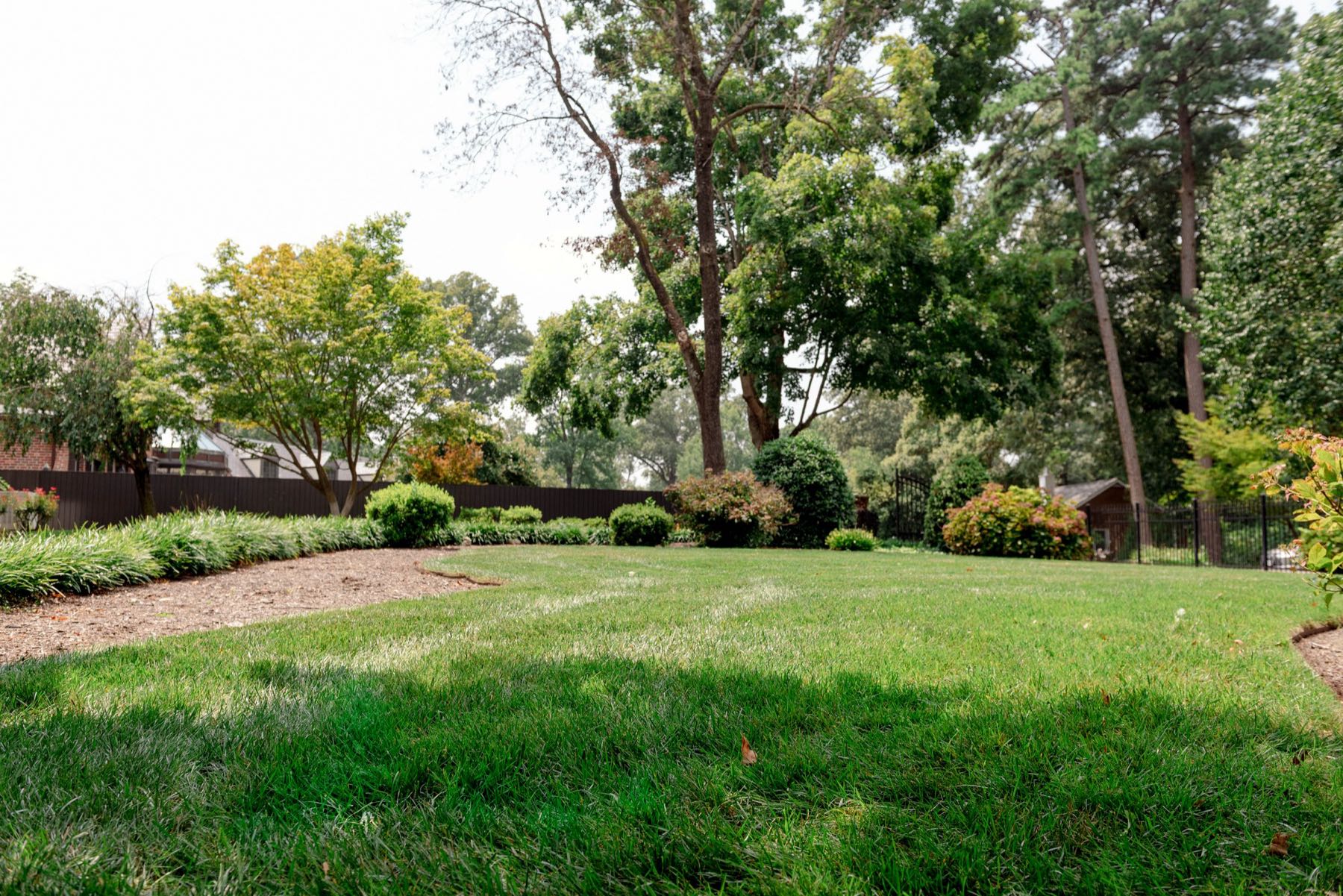
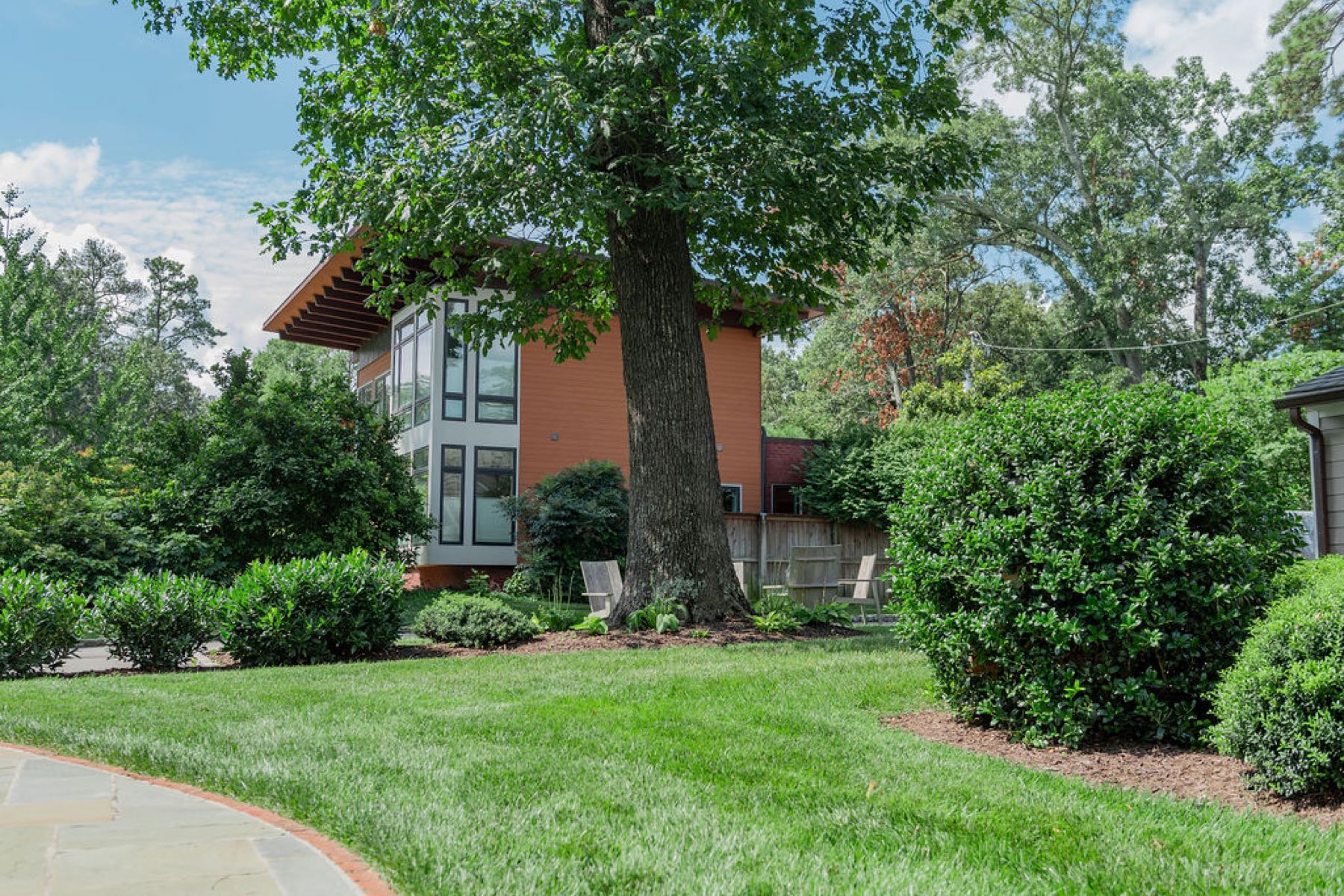
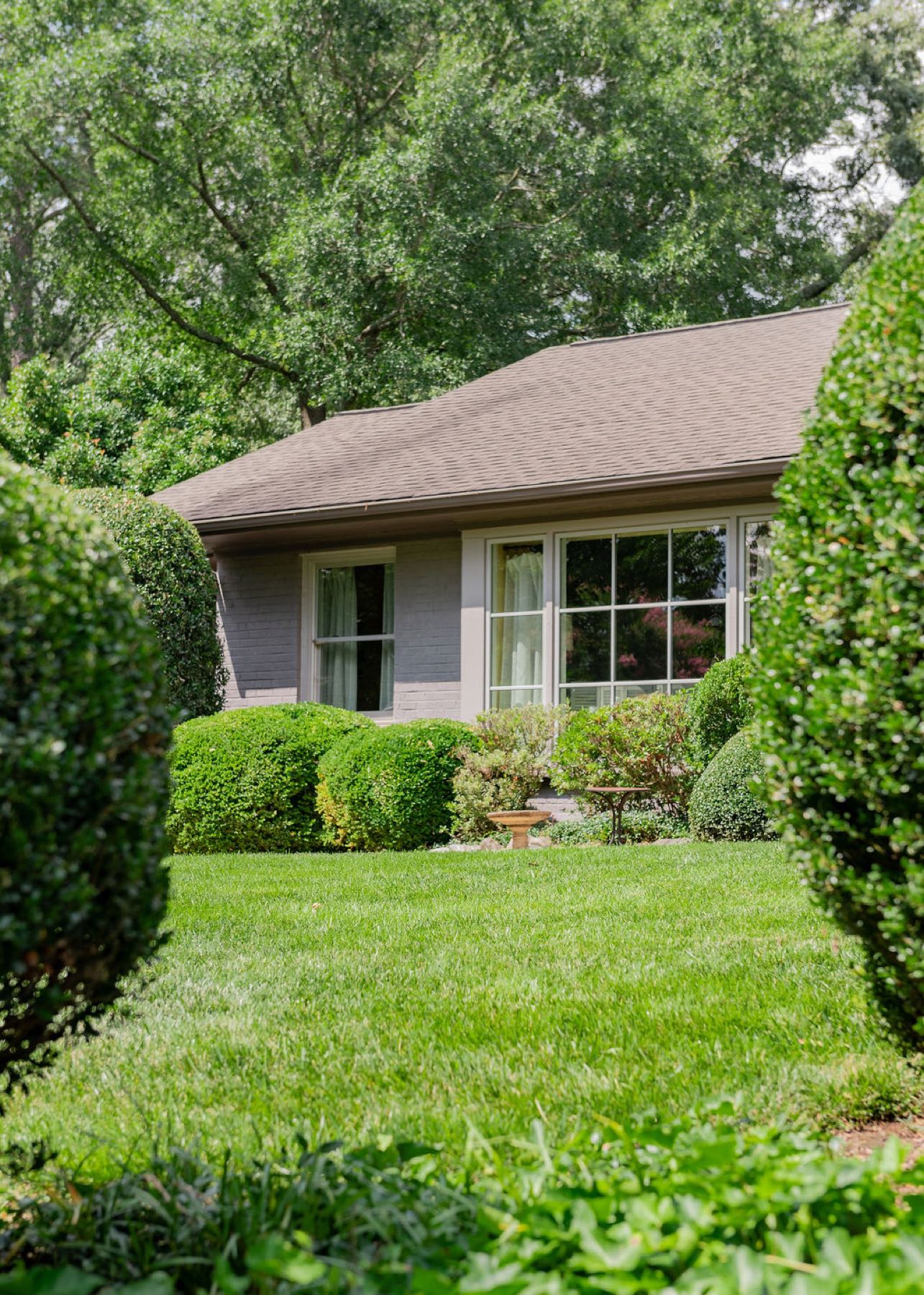
The reason most lawns look mediocre isn't the equipment, the fertilizer, or the irrigation. It's that nobody is paying attention week to week. Every property has a rhythm. Wet spring, dry July, leaf push in October. We schedule around that rhythm.
YardMasters maintenance contracts are annual. Same crew, same day, same time. We learn your property and catch things before you do.
One-off mowings. We don't run a route truck that picks up "do me this week" requests. A lawn that gets mowed once doesn't get healthier. We sign contracts and we keep them.
The fastest way to wreck a lawn in a Richmond July is to cut it too short. Short grass bakes, the roots cook, and the bare spots fill in with crabgrass before you have put the mower away. Taller grass shades its own roots, holds moisture, and crowds weeds out before they get started.
We run most lawns at three and a half to four inches through the warm months, and we never take more than a third of the blade in one pass. If a lawn has got away from you and it is tall, it comes down over two mowings rather than one.
A dull blade tears the grass instead of cutting it, and the torn tips turn white and then brown a day later. If your lawn looks hazy the day after a mow, that is the blade, not the lawn.
Cool-season grass spends a Virginia summer surviving rather than growing, and early fall is the one window where it actually wants to put on root. That is when aeration and overseeding pay, because you are opening compacted soil and dropping seed into a lawn that is hungry for it. Do it in the window and the lawn goes into winter thick. Skip it and next spring starts thin and behind.
The corollary matters as much: do not put heavy fertilizer down in peak August heat. You are mostly feeding the weeds and stressing the grass. Hold the real feeding for the fall reset, when the lawn will use it.
Every property is different. Pricing scales with size, scope, and existing landscape. We walk the property, build the scope, and quote it directly.
Lawn health compounds. A property cared for consistently for 12 months looks better at month 13 than a property mowed every week with no soil program.
Yes. Same lead, same equipment, same day of week. If the lead is out, we tell you in advance.
We adjust within the same week if conditions allow. Wet ground means we shift to the next dry day. You don't pay extra.
Yes. Most of our maintenance accounts add a project most years. We quote separately and crews coordinate.
We carry codes and keys. We close every gate before we leave. Between us, that's over 25 years doing this.
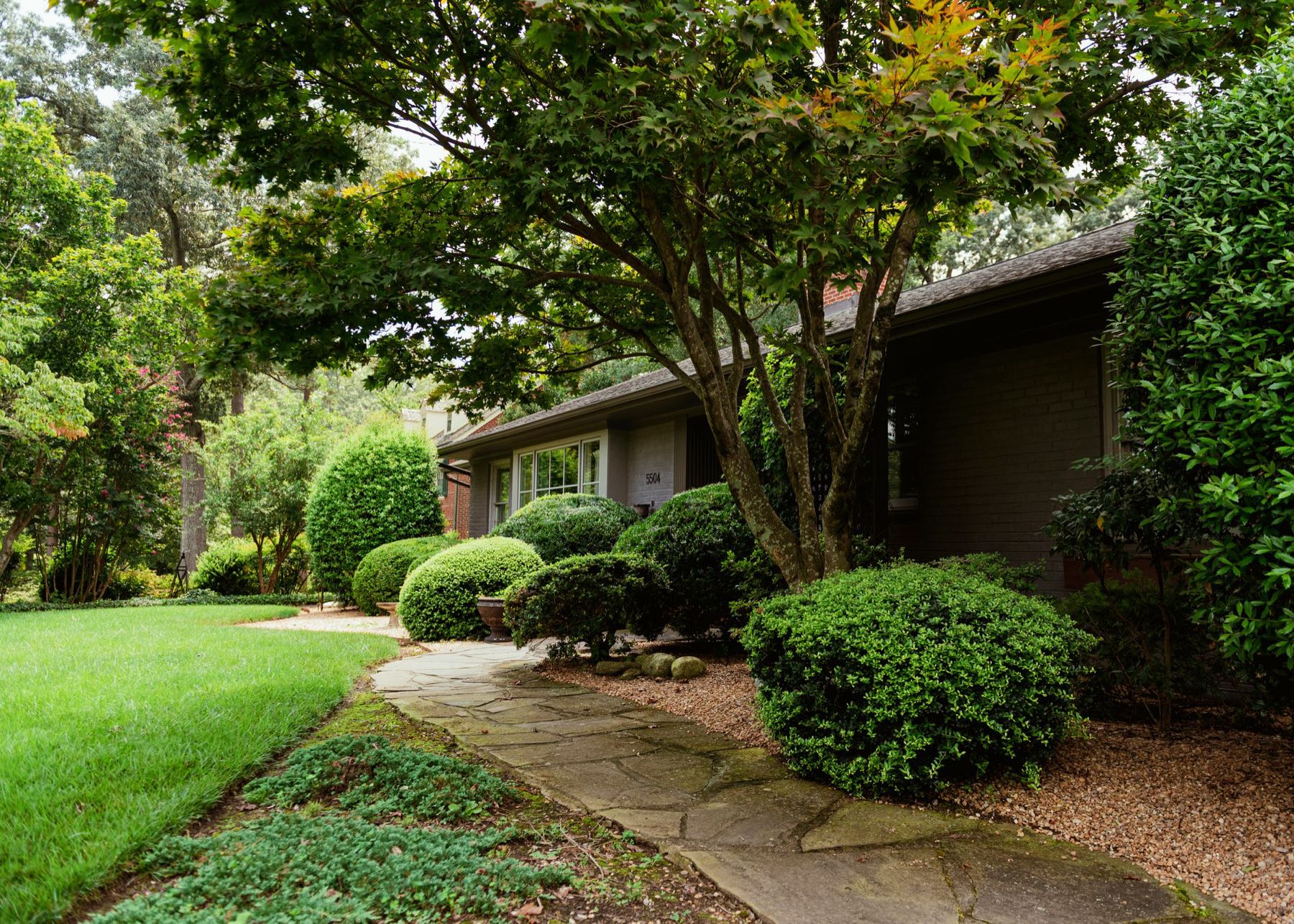
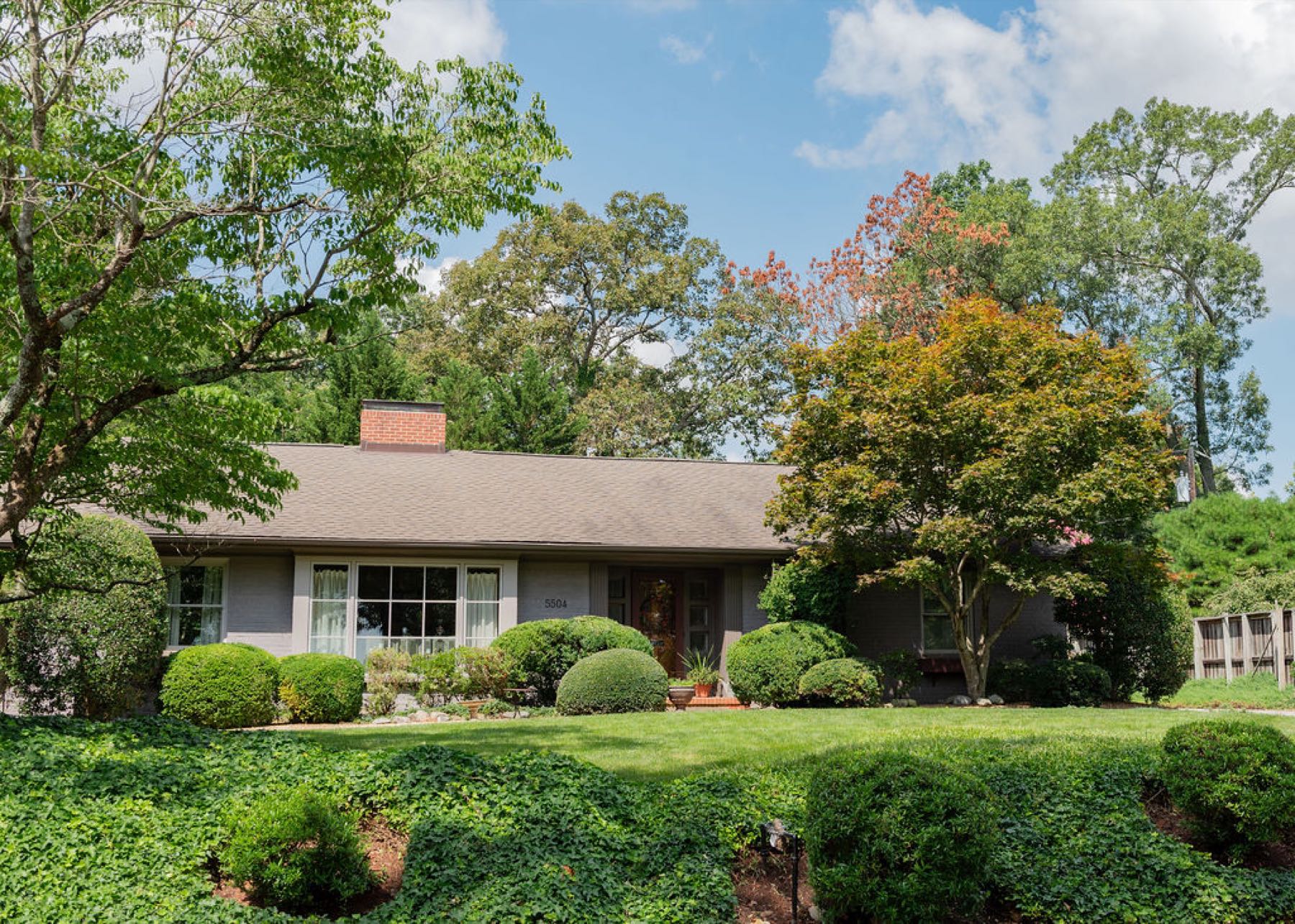
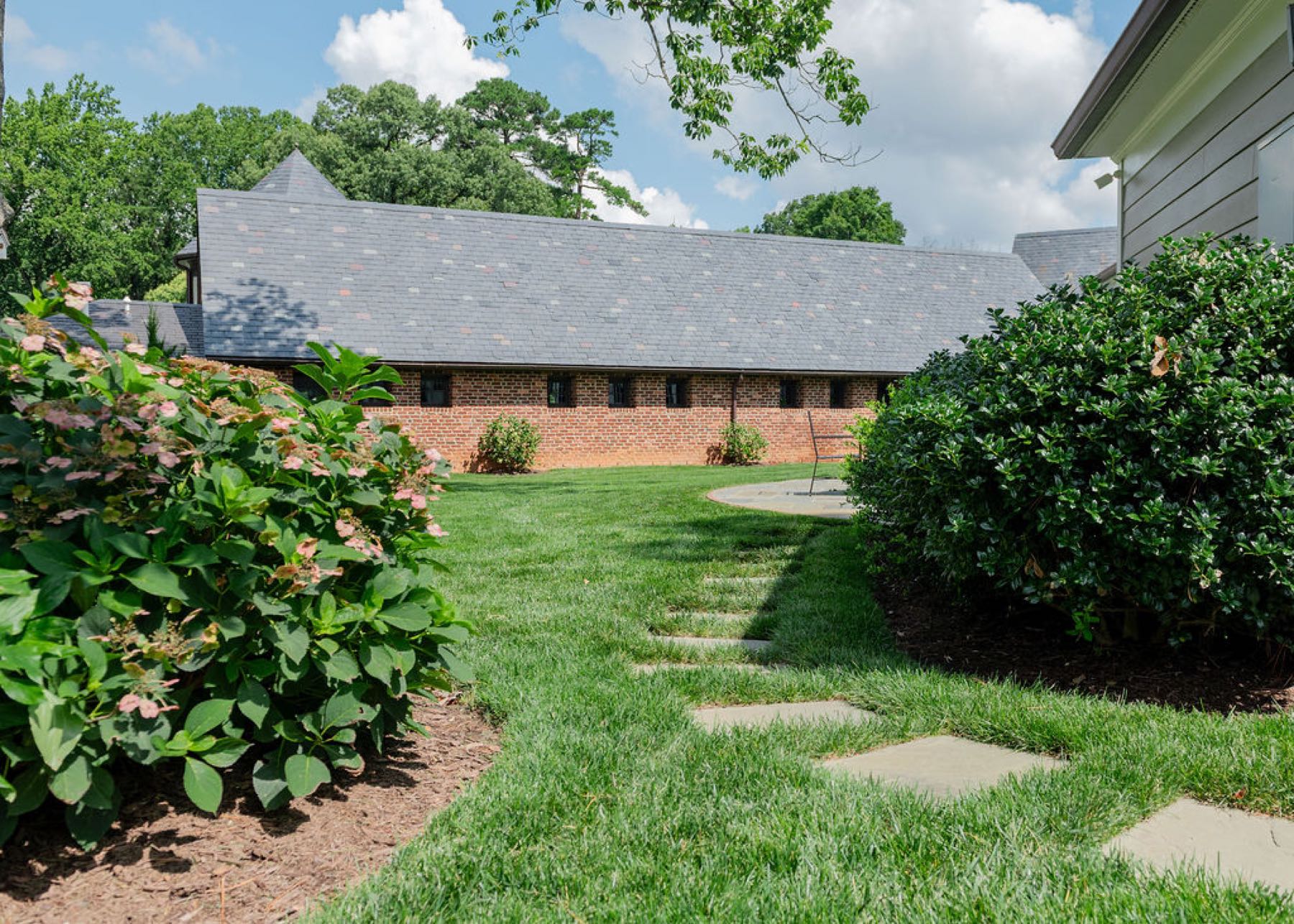
Your property gets the same people every visit. They learn where the wet corner is and where the dog gets out, and they notice a change before you report it.
Tall fescue, zoysia and bermuda want different heights in different months. A route truck runs one deck height all season and the lawn pays for it in August.
Weeds are a calendar problem, not a spraying problem. Missing the window in February is why a lawn is full of crabgrass in July.
Weeding, pruning and mulch refresh are in the program. A lawn that looks mown and beds that look neglected is the most common thing we get called to fix.
Fall cleanup comes with the annual contract rather than arriving as a separate invoice in the most expensive month of the year.
A lawn mowed once does not get healthier. We sign contracts and we keep them, which is also why we can plan your property a year out.
A 20-minute walk-through, a written quote within a week, and a same-day-every-week visit schedule once you sign.