

Nothing filed here yet
There are no photographs filed under that heading in this batch.
There are no photographs filed under that heading in this batch.
The gallery is not sorted by address, because most of this work is not one job. A property that gets a wall in the spring gets the beds the following autumn and the irrigation the year after that. It is sorted by the kind of work instead, so you can find the thing you are actually thinking about.
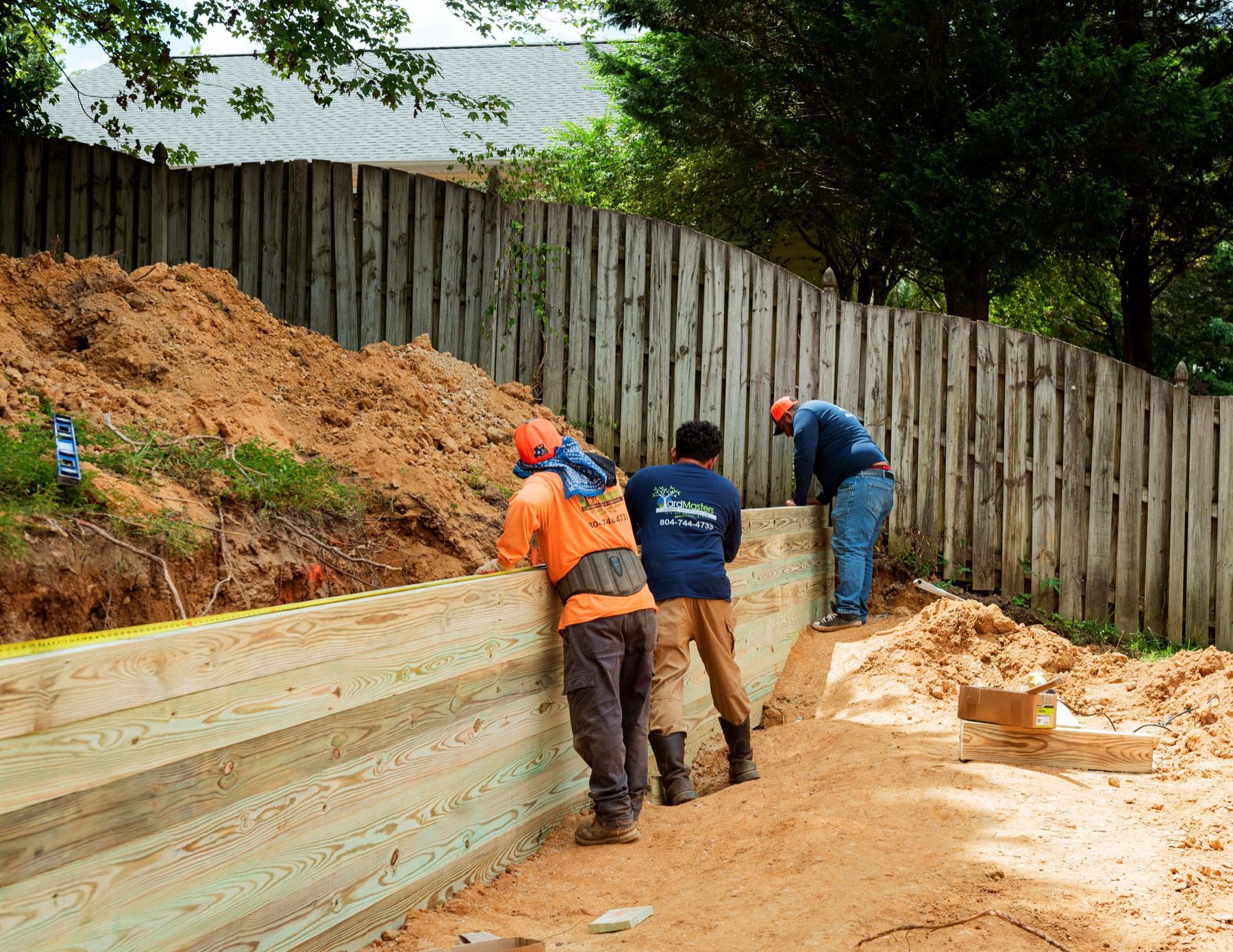
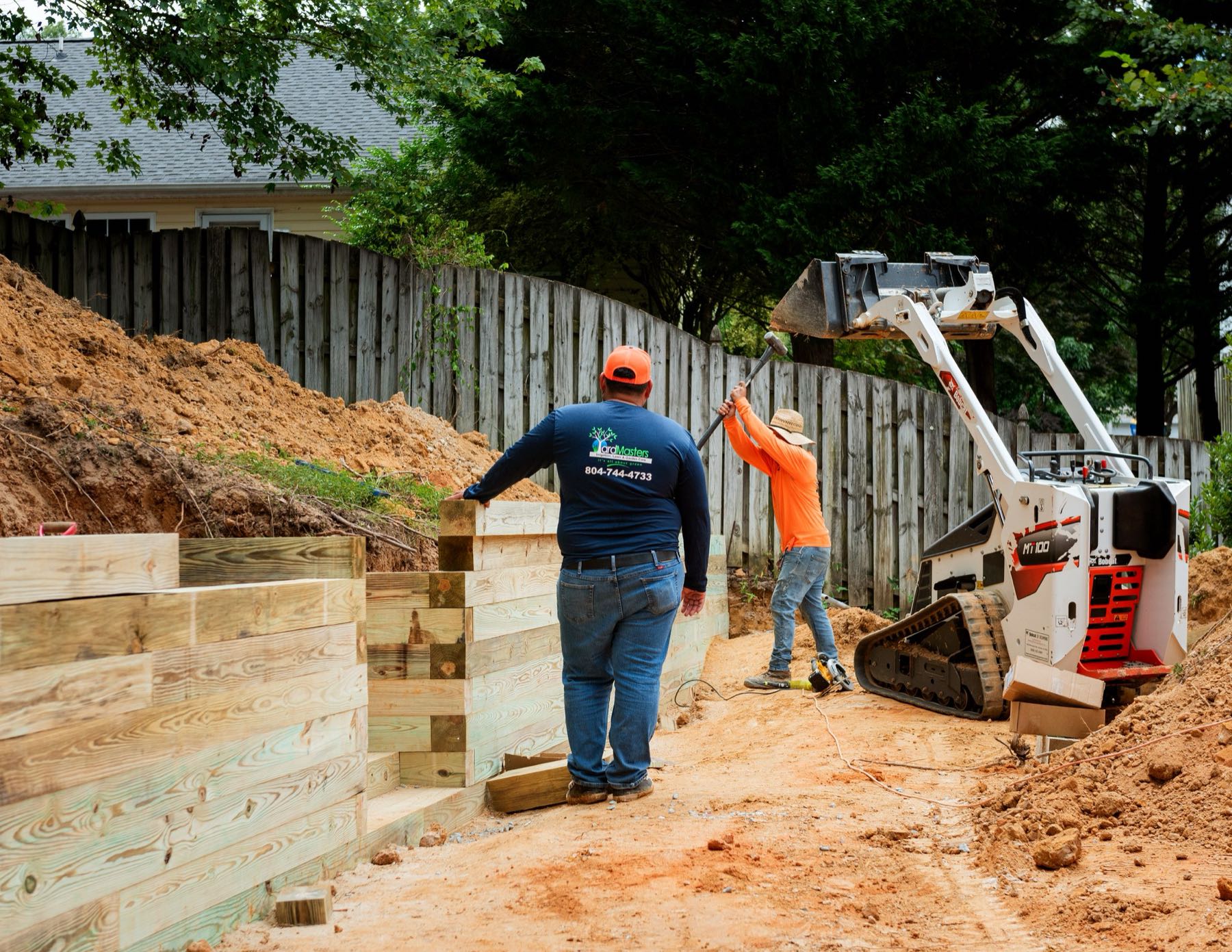
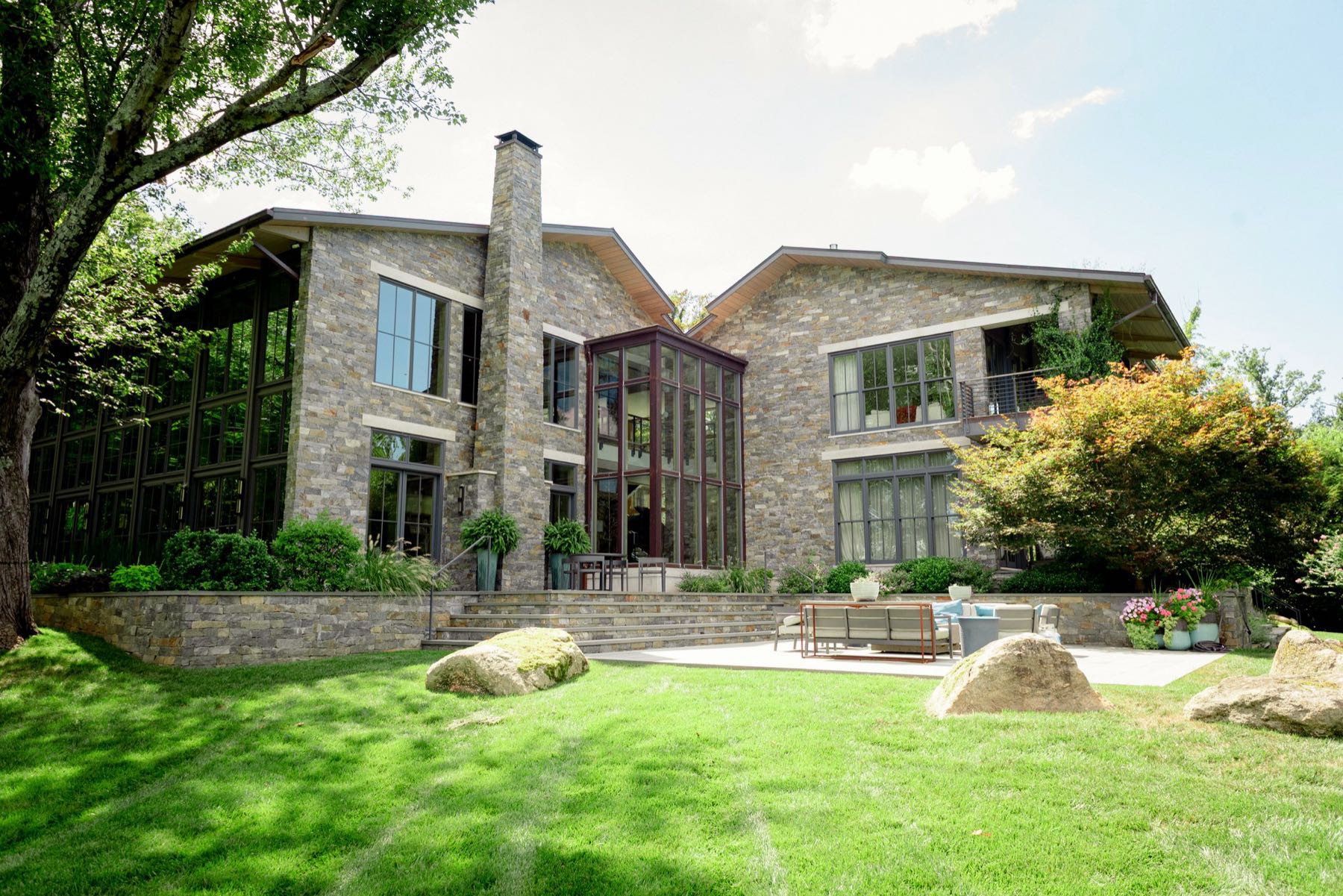
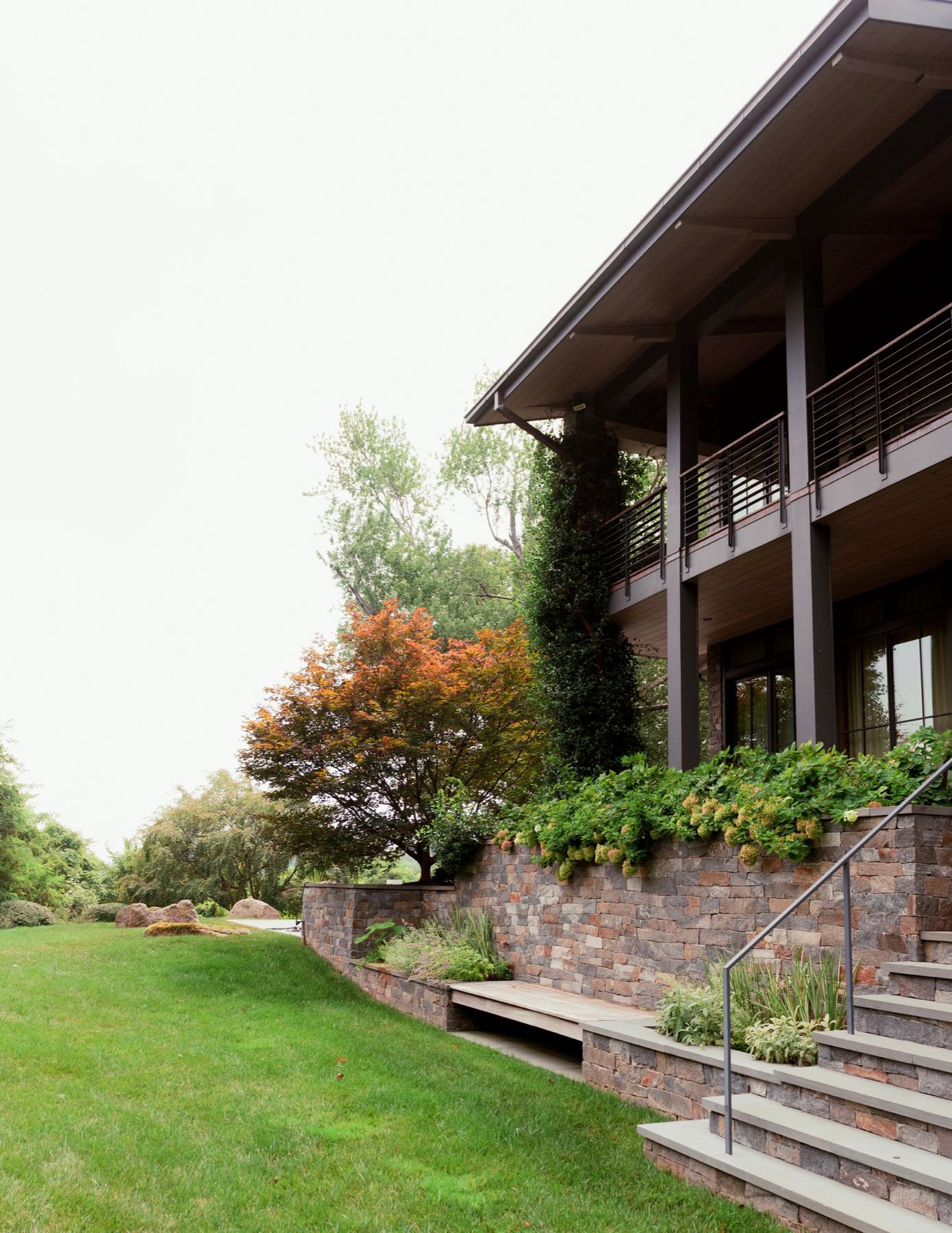
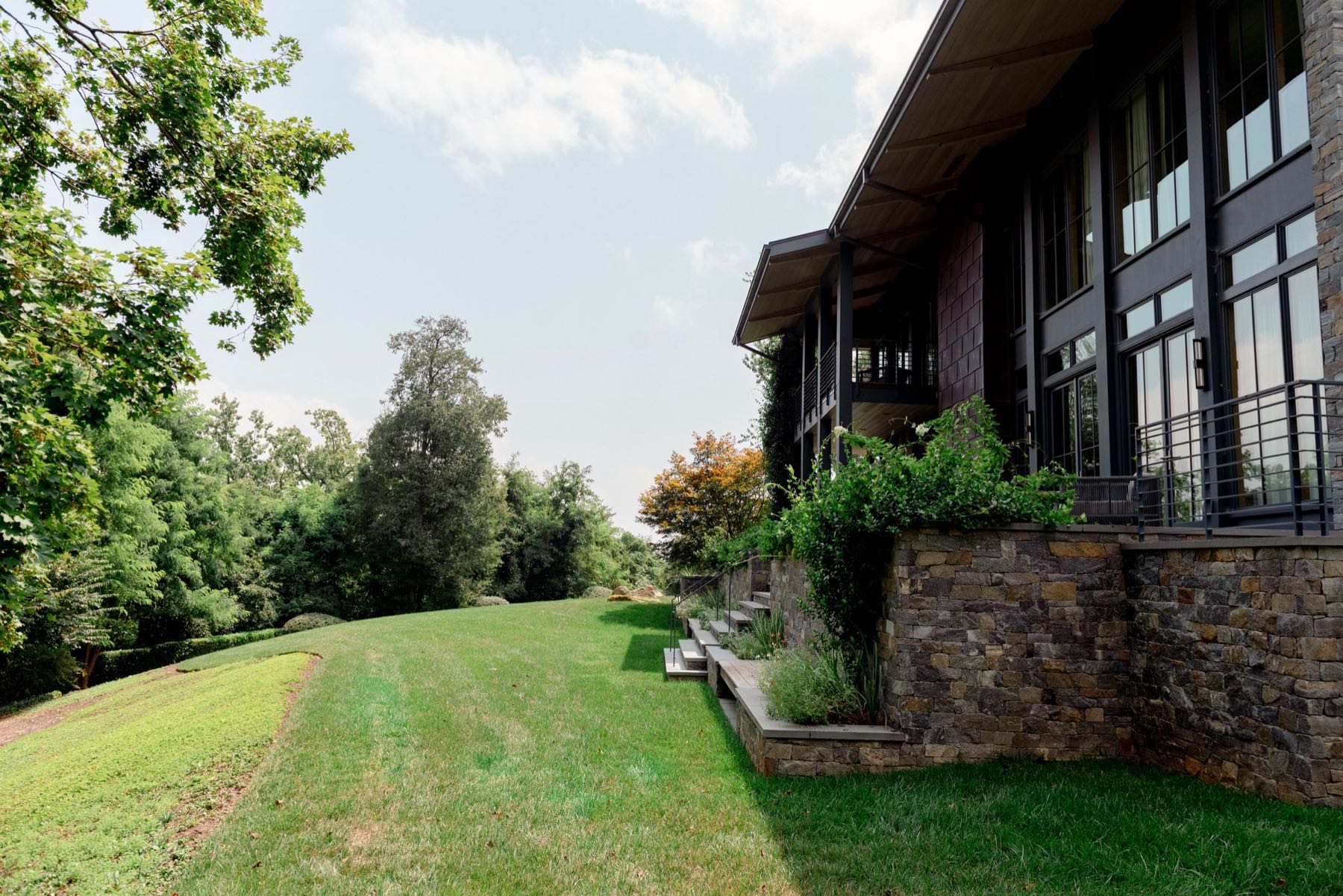
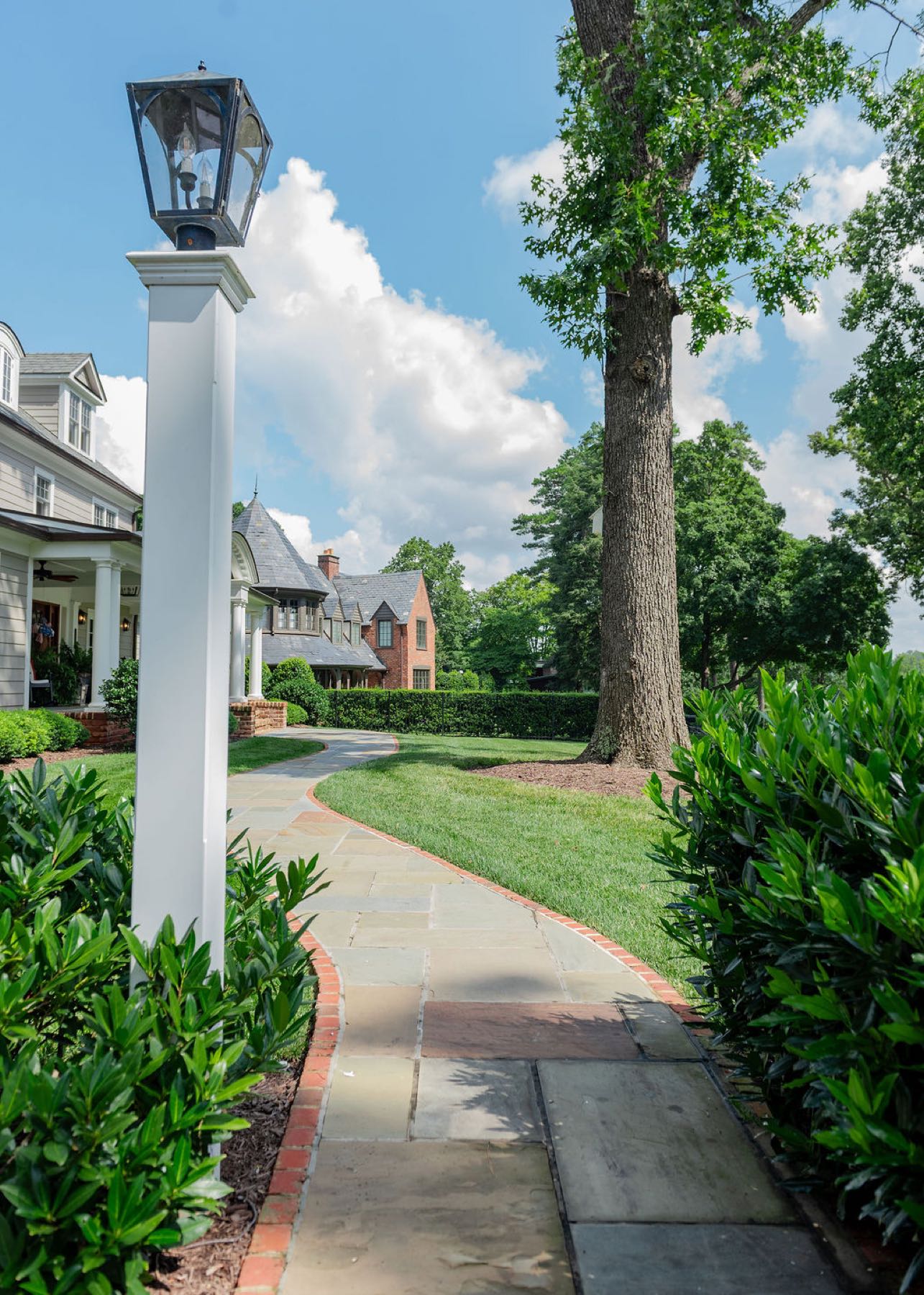
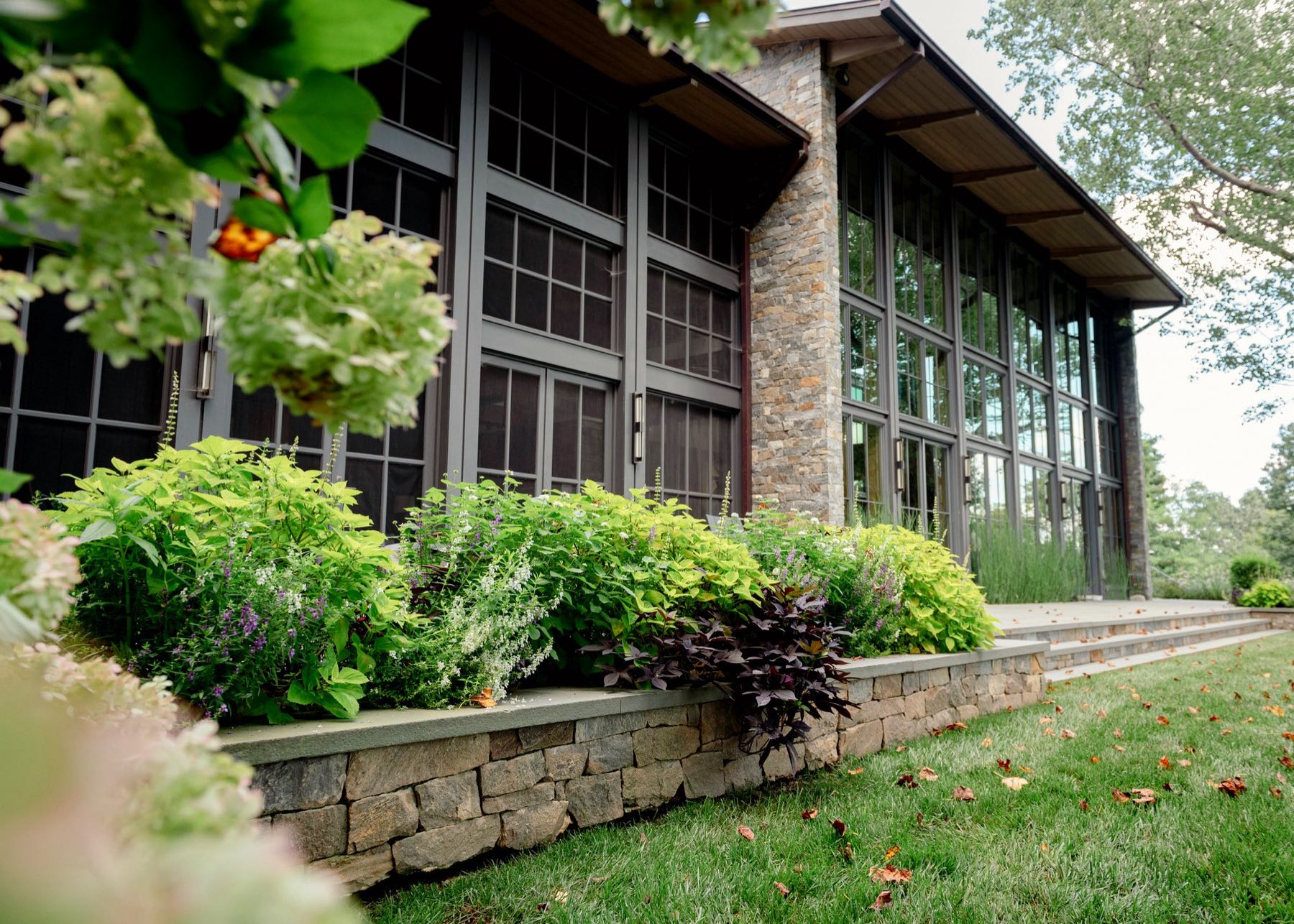
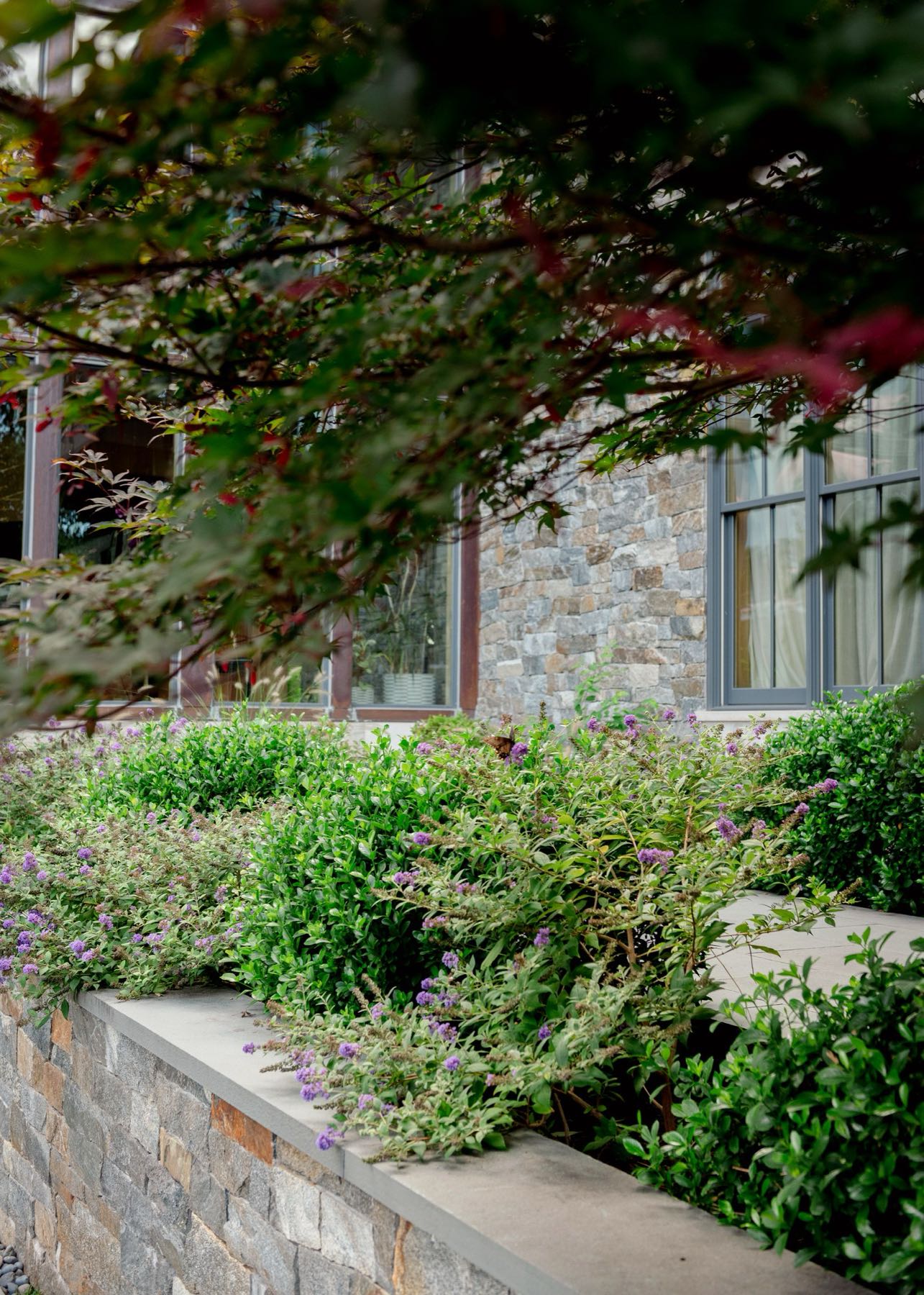
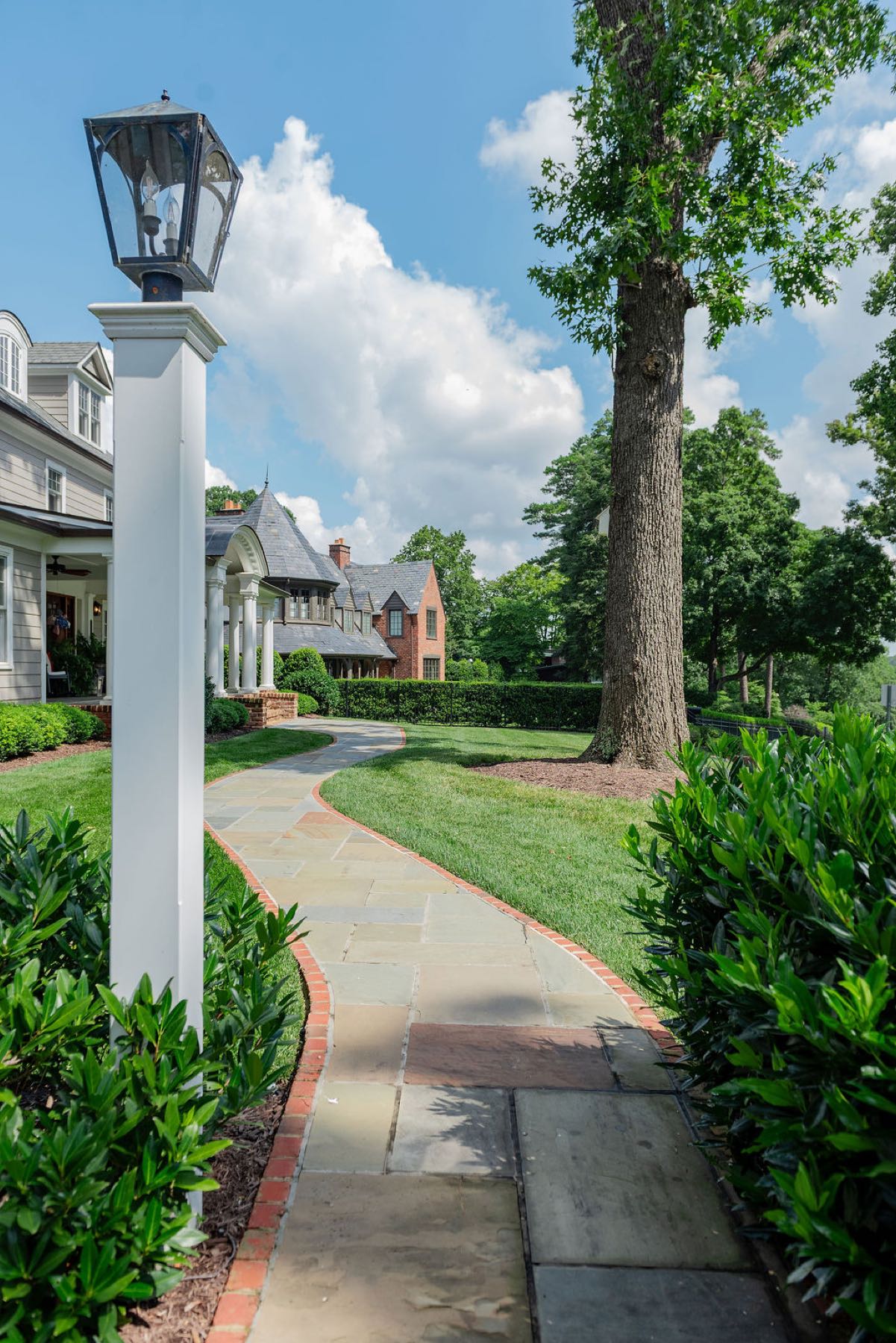
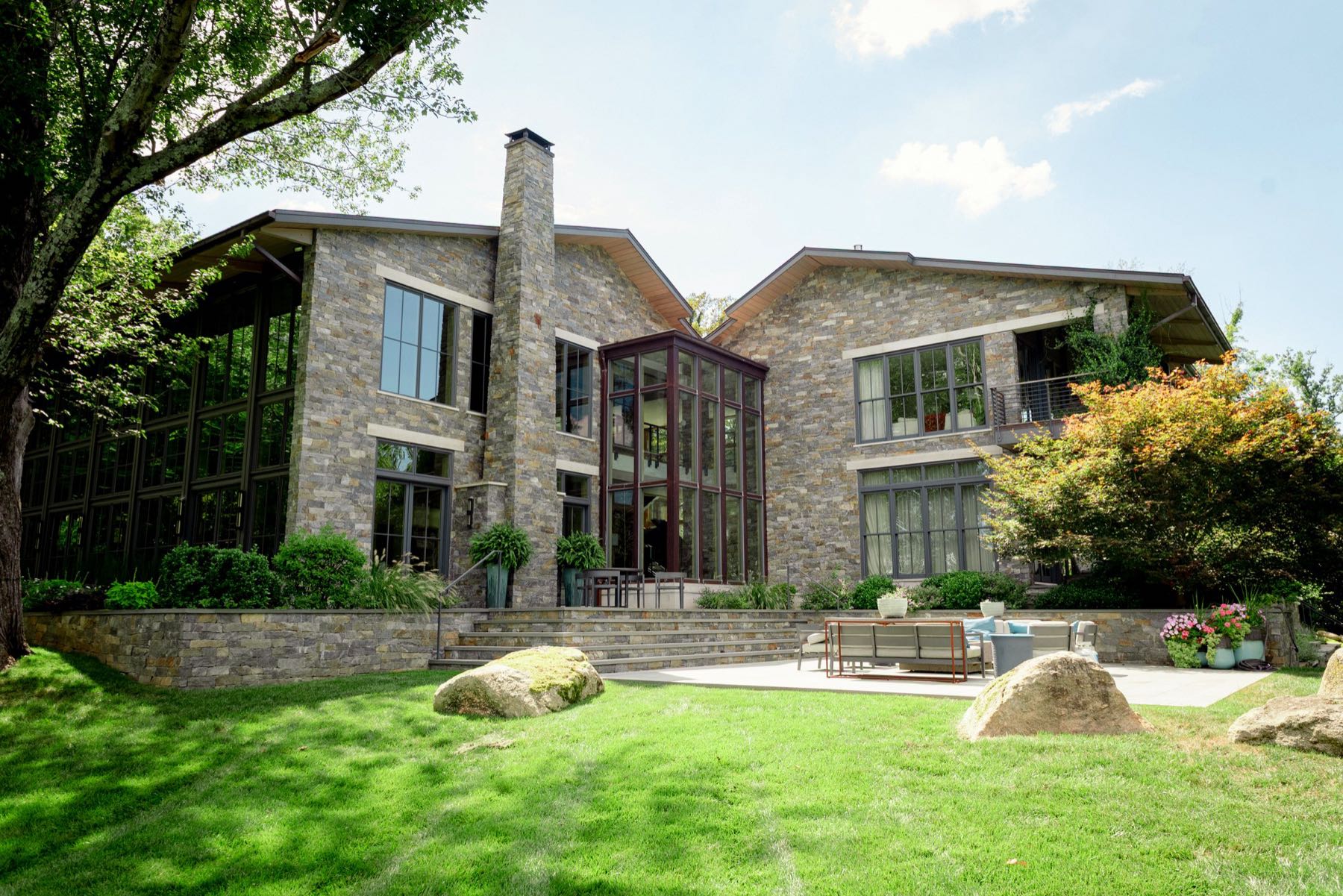
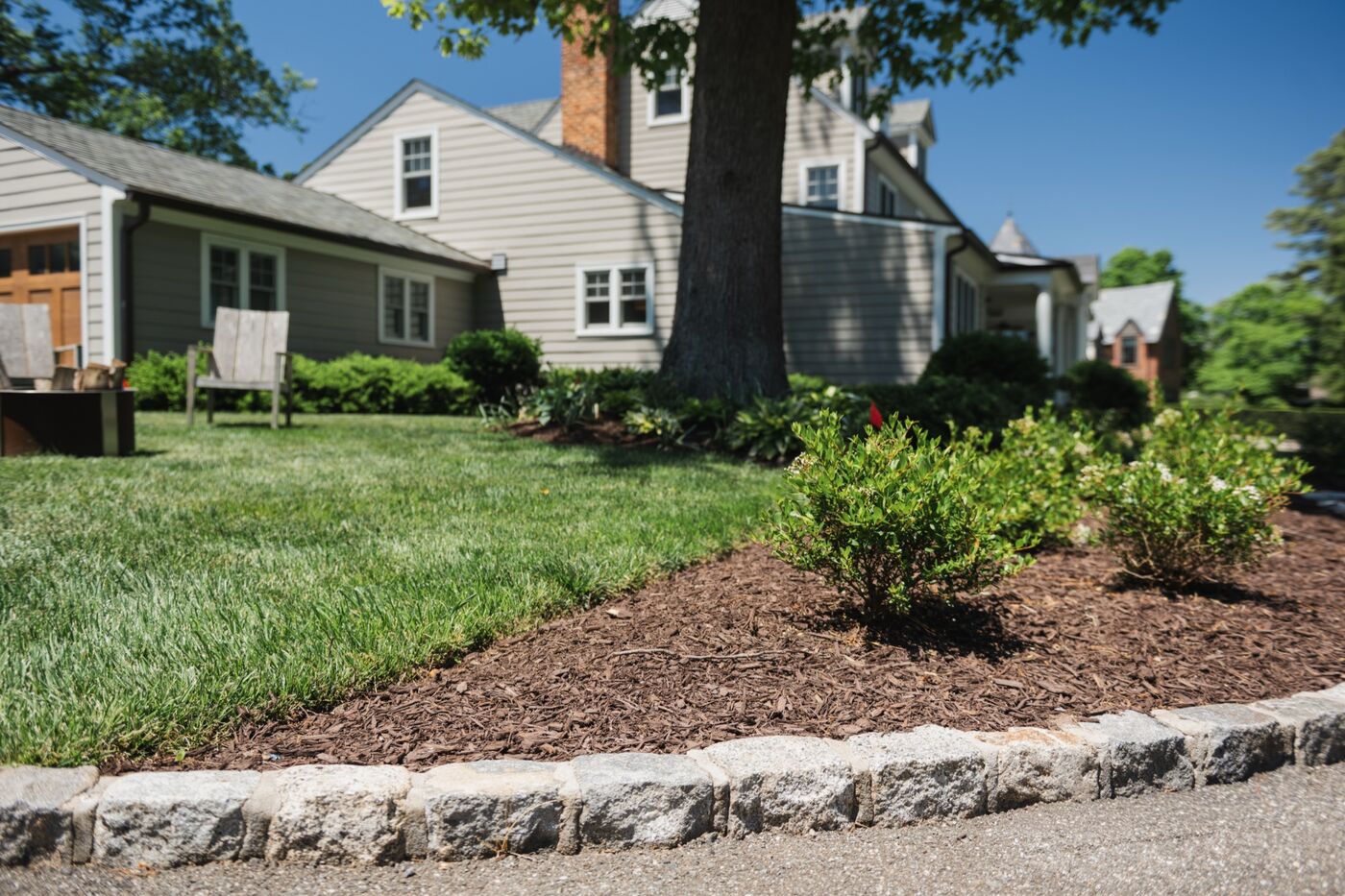
Every patio, wall and walkway starts with the base, and the base is what fails. Excavation, compacted aggregate in two-inch lifts rather than all at once, geotextile, polymeric sand, joints sealed. The grade is set in dirt at a quarter inch per foot before a single stone goes down. Roughly six inches of a properly built patio is the part nobody ever sees, and it is the whole difference between one that settles and one that does not. When you look at the walls in these frames, look at the line of the cap and the line of the lawn behind it.
Design-build means the sleeves go in before the stone and the drain ties into the hardscape, because it was planned as one thing rather than four. Site analysis first: a property walk, sun and shade, drainage, soil, what is already planted. Then a concept plan, then a final plan carrying the plant schedule, the hardscape spec, the lighting count, the irrigation zones and the drainage routing. Most properties are not built all at once. Phasing by year, by season or by budget is normal, and it is planned that way from the start.
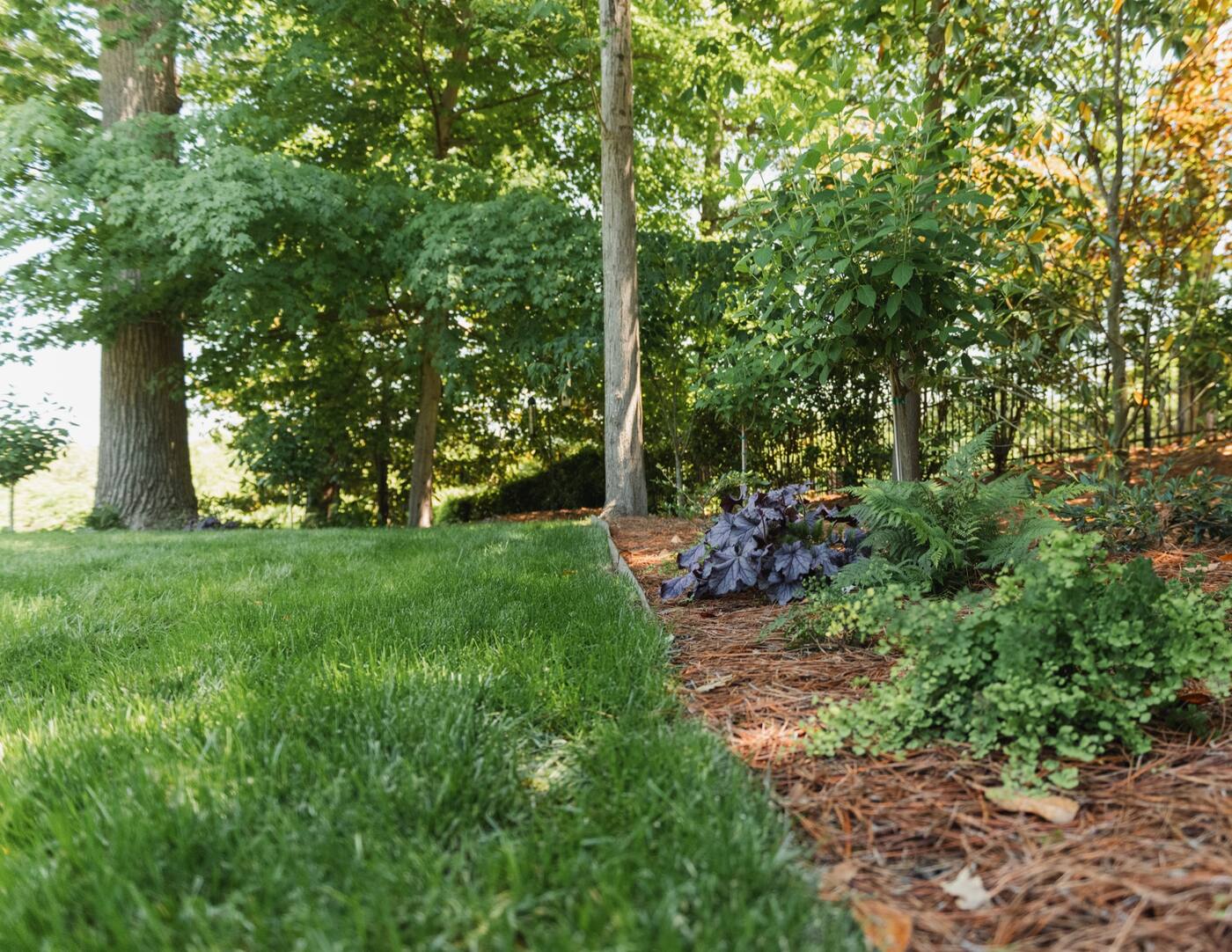
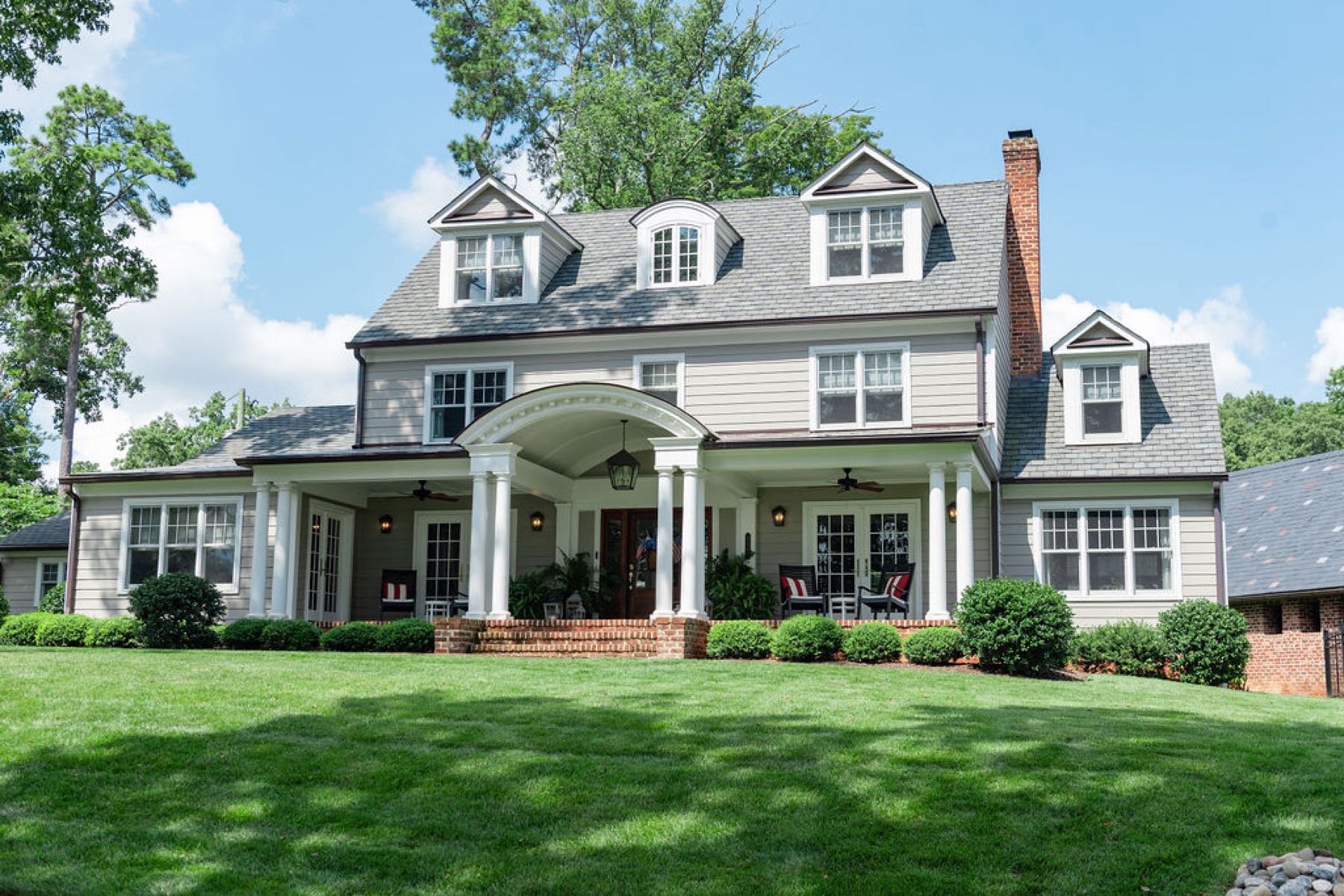
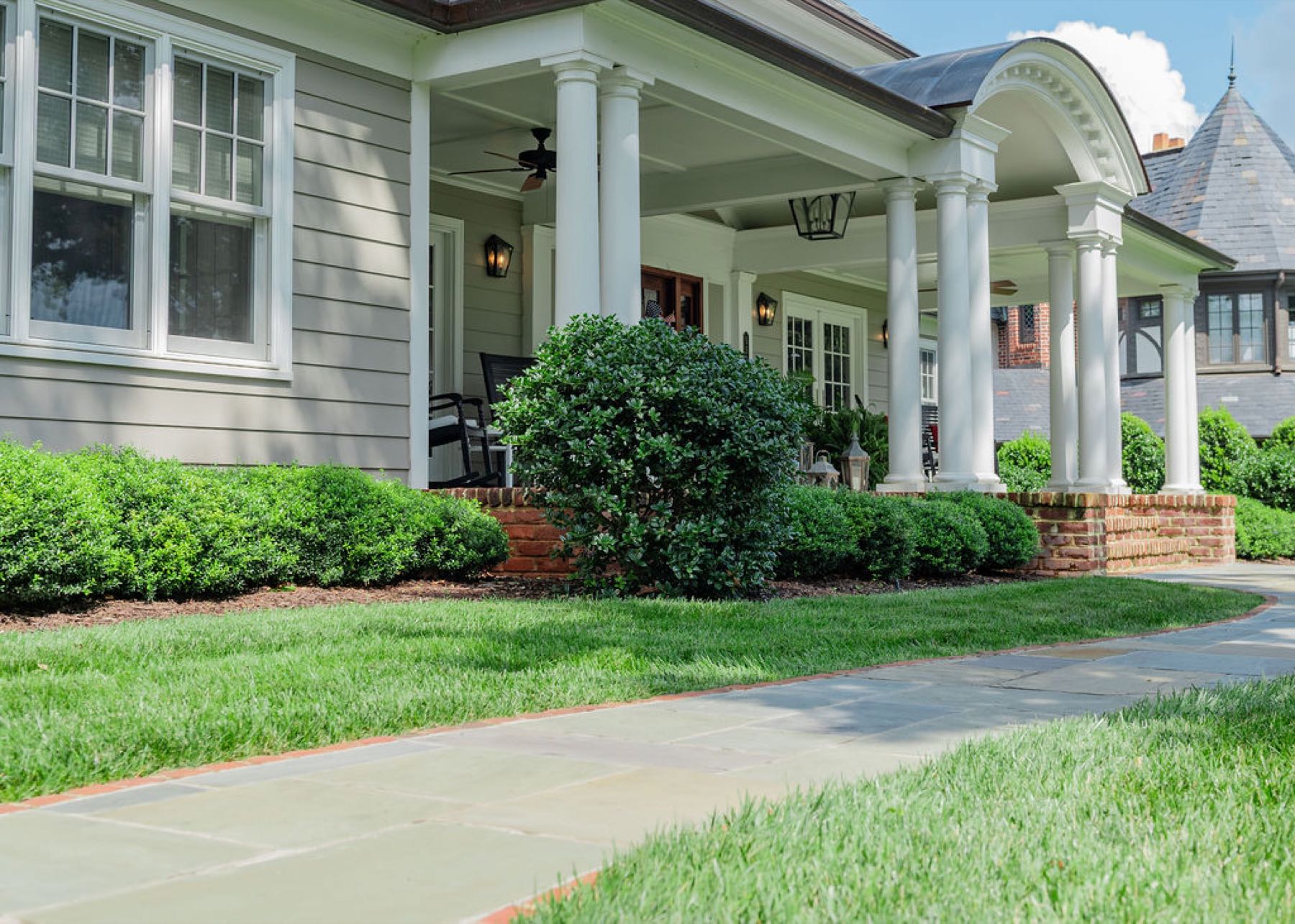
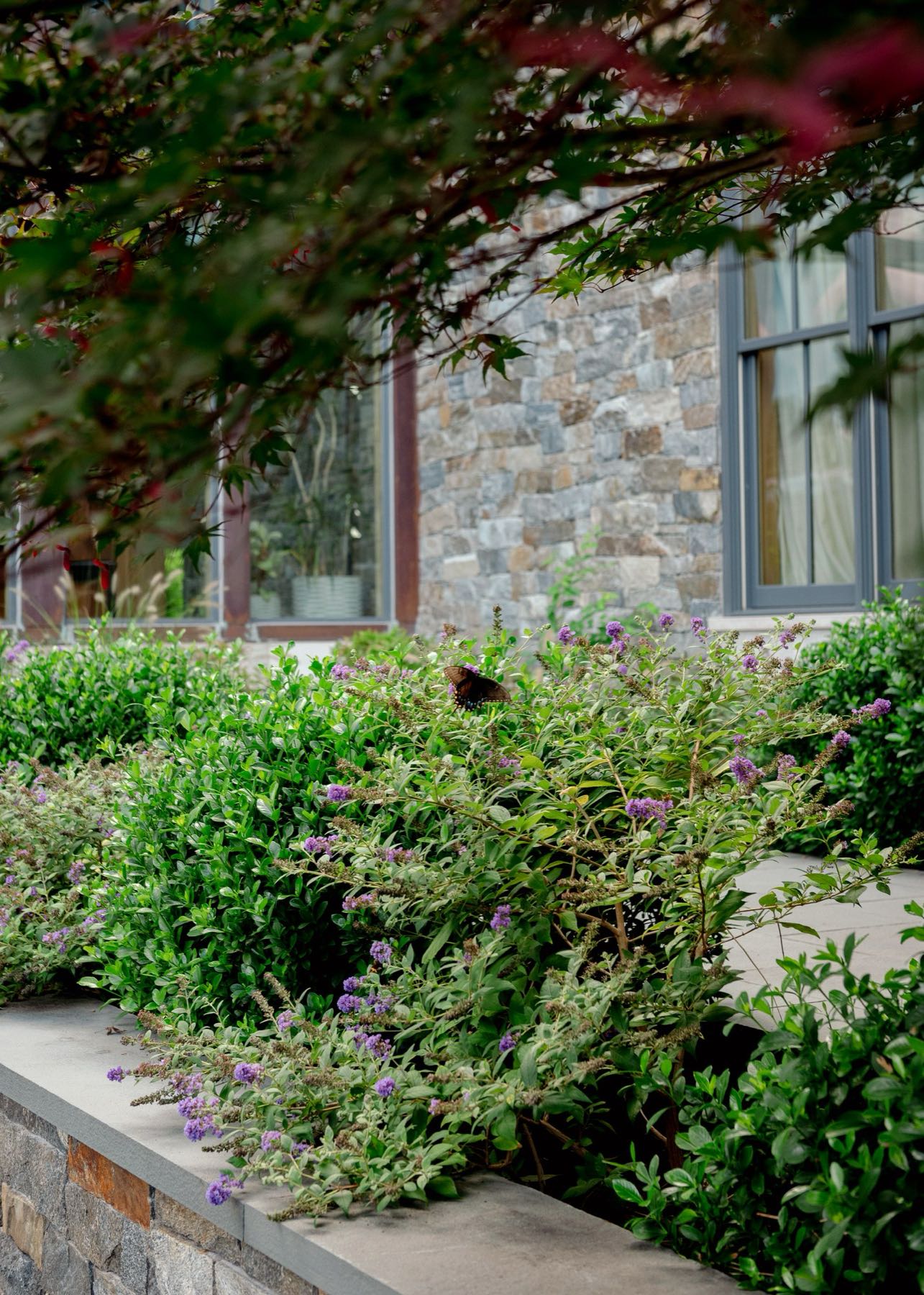
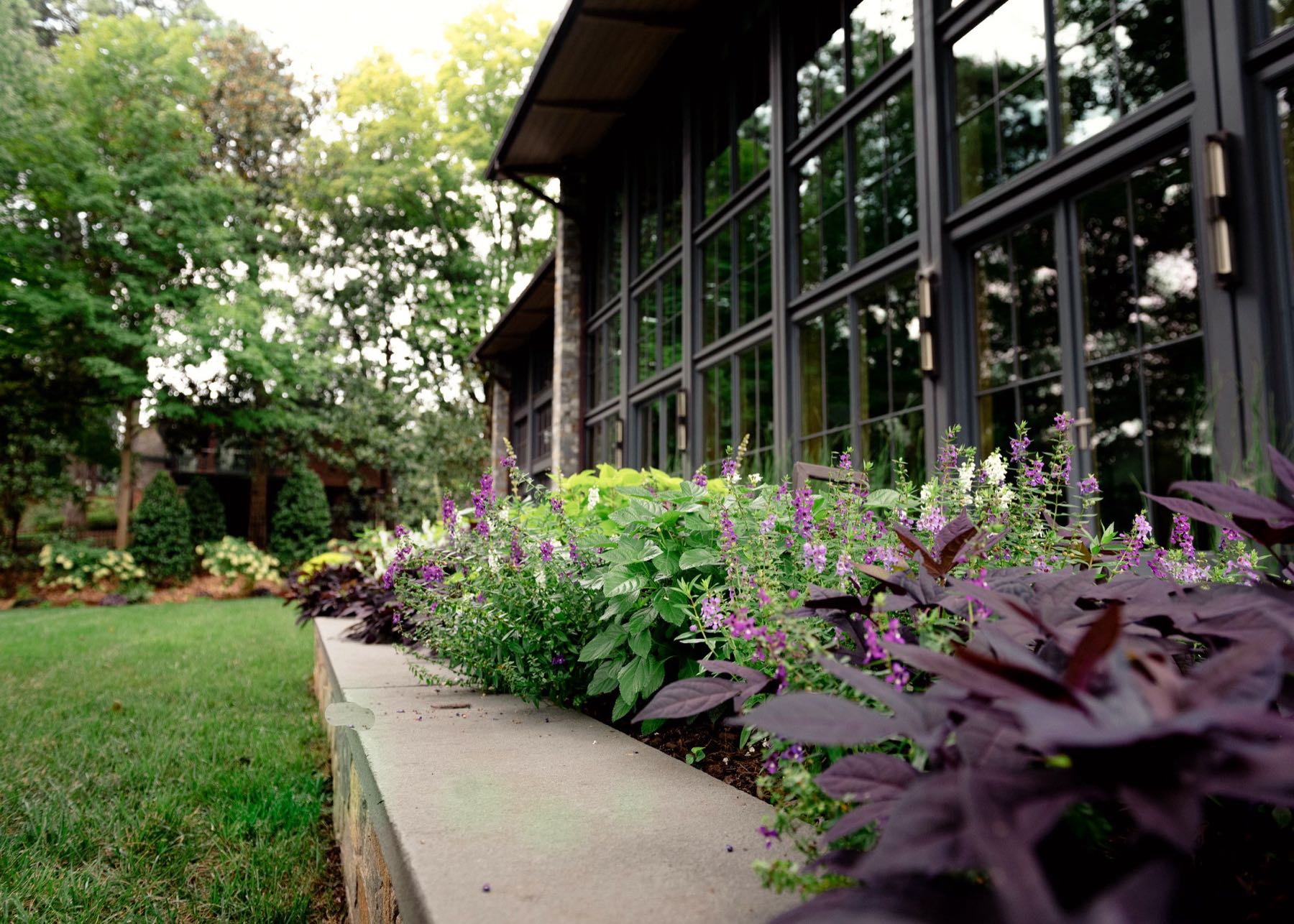
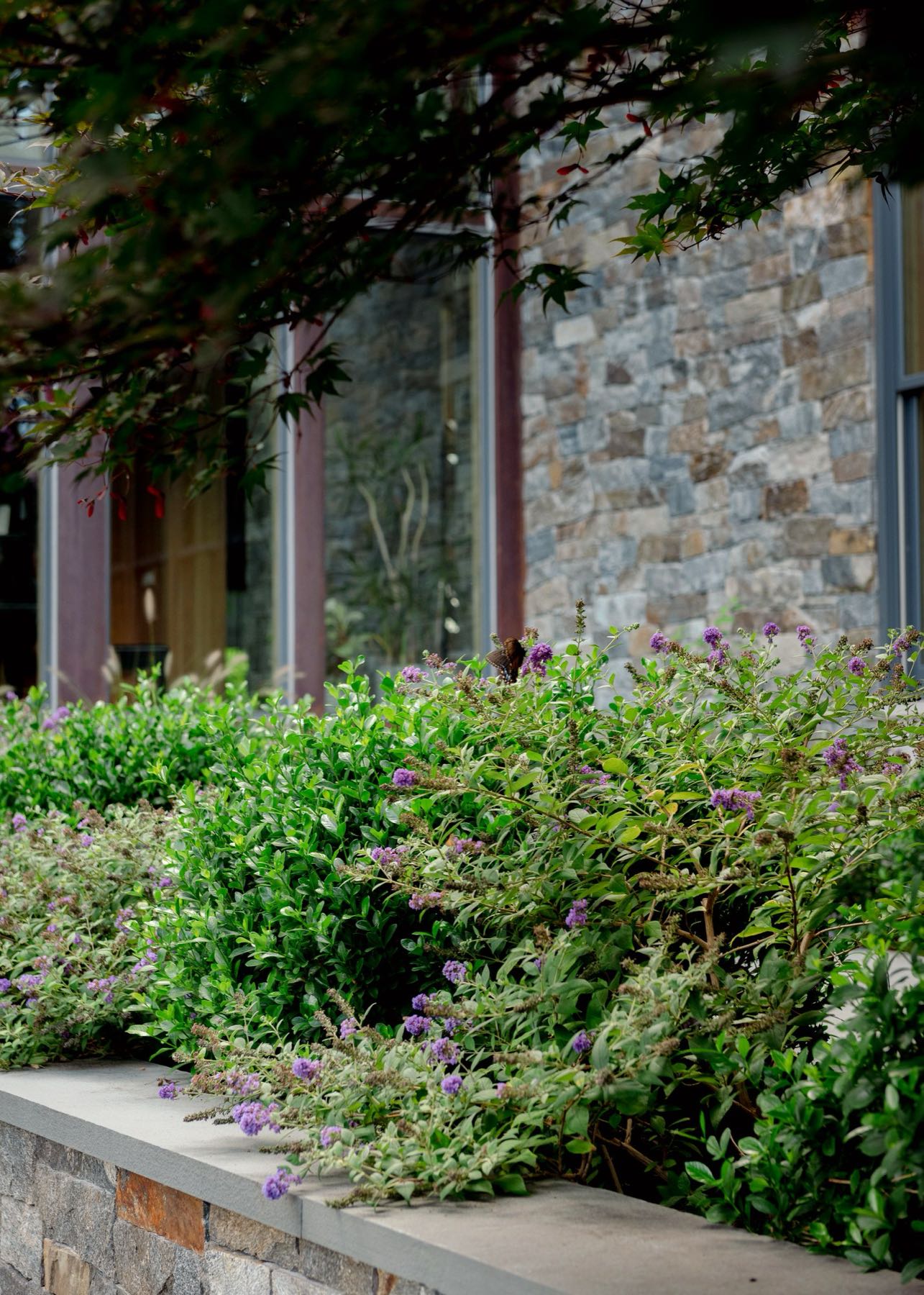
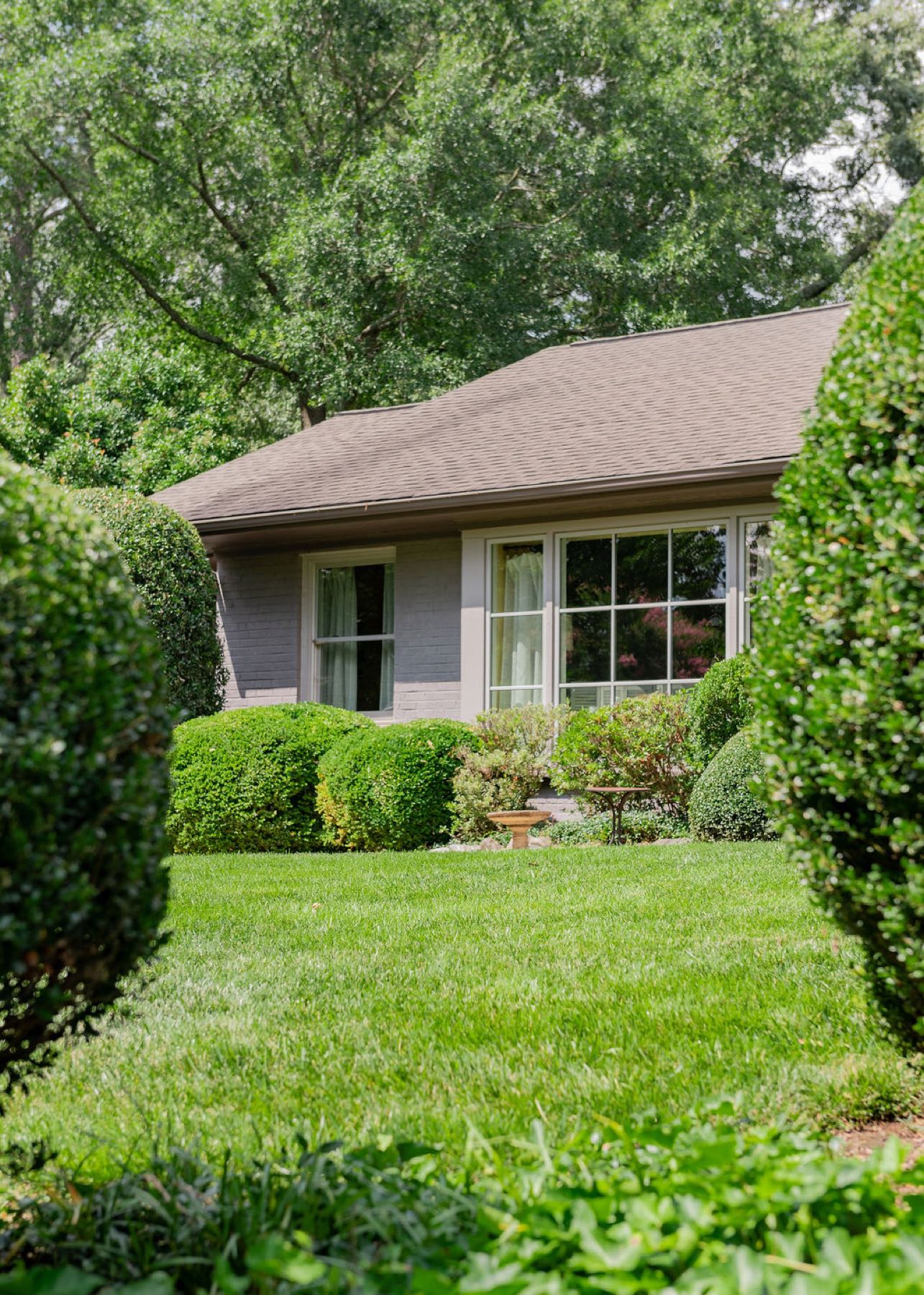
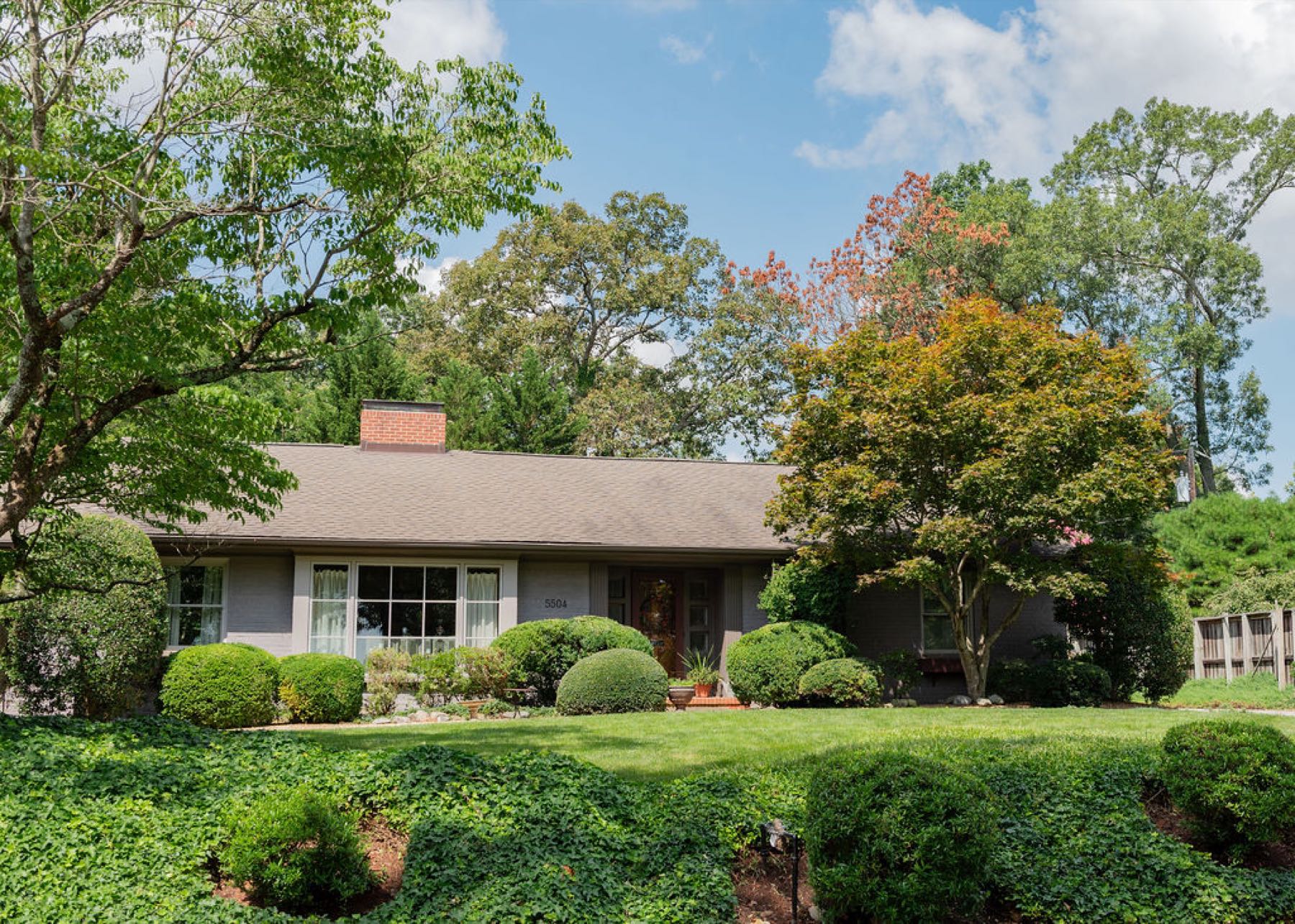
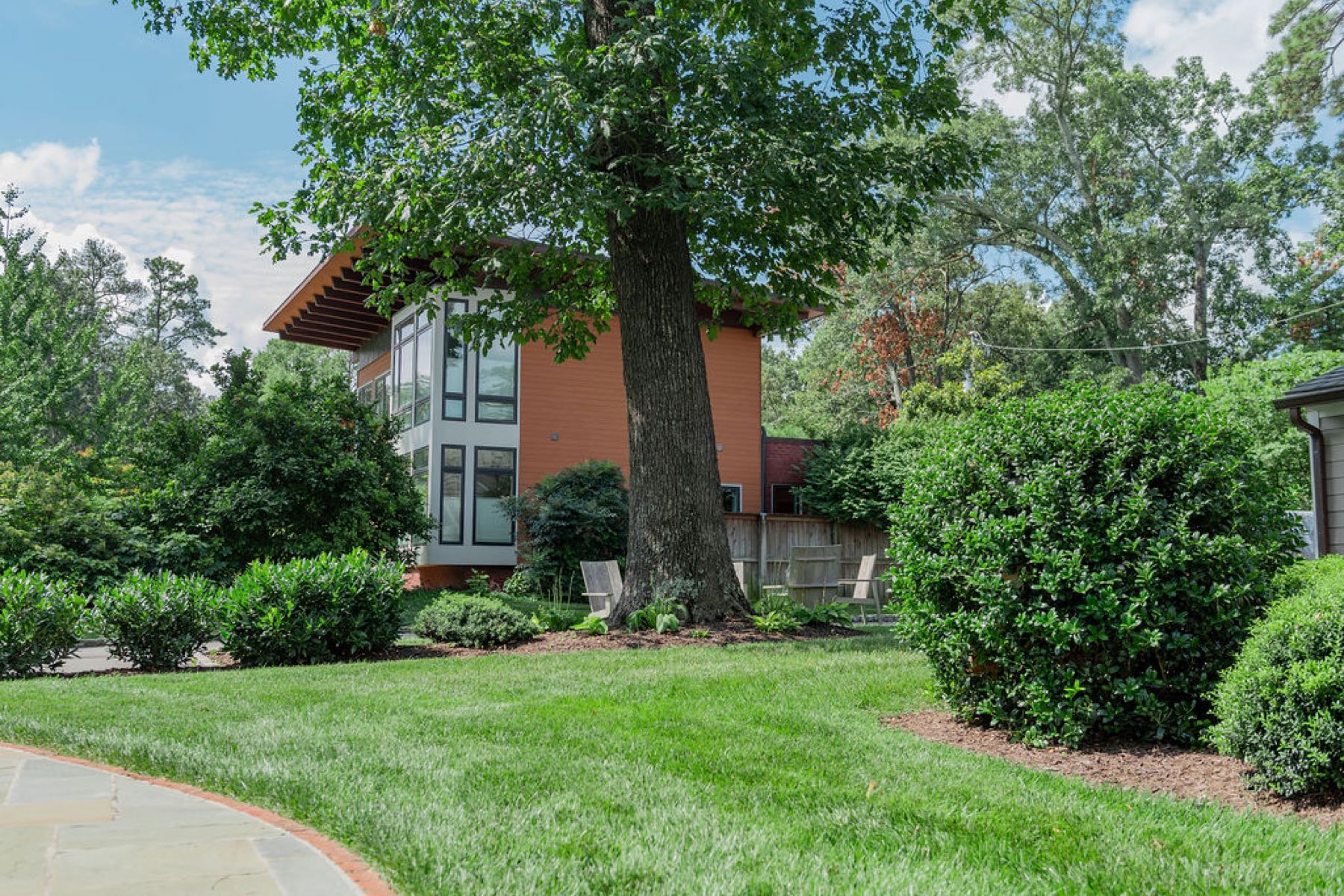
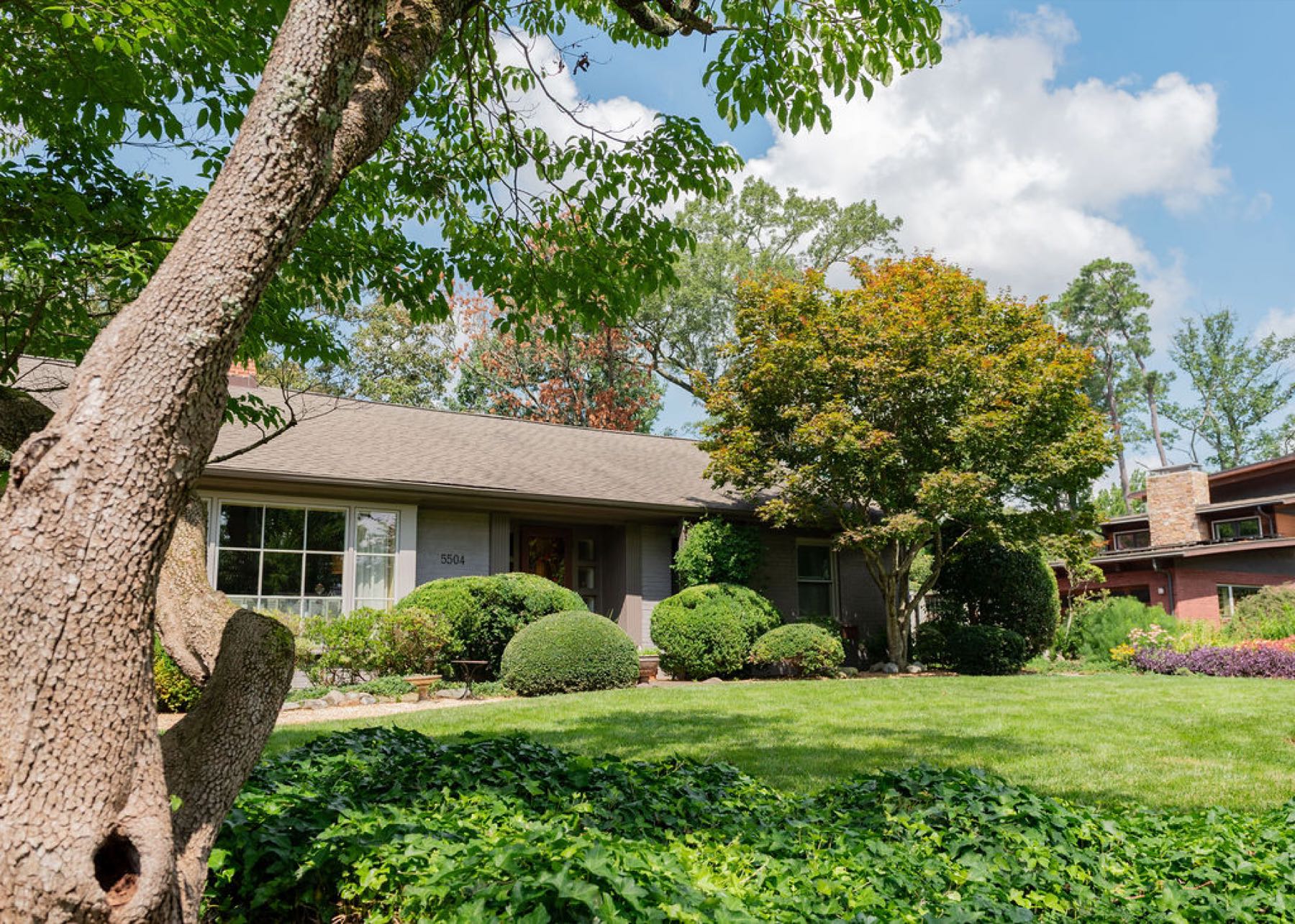
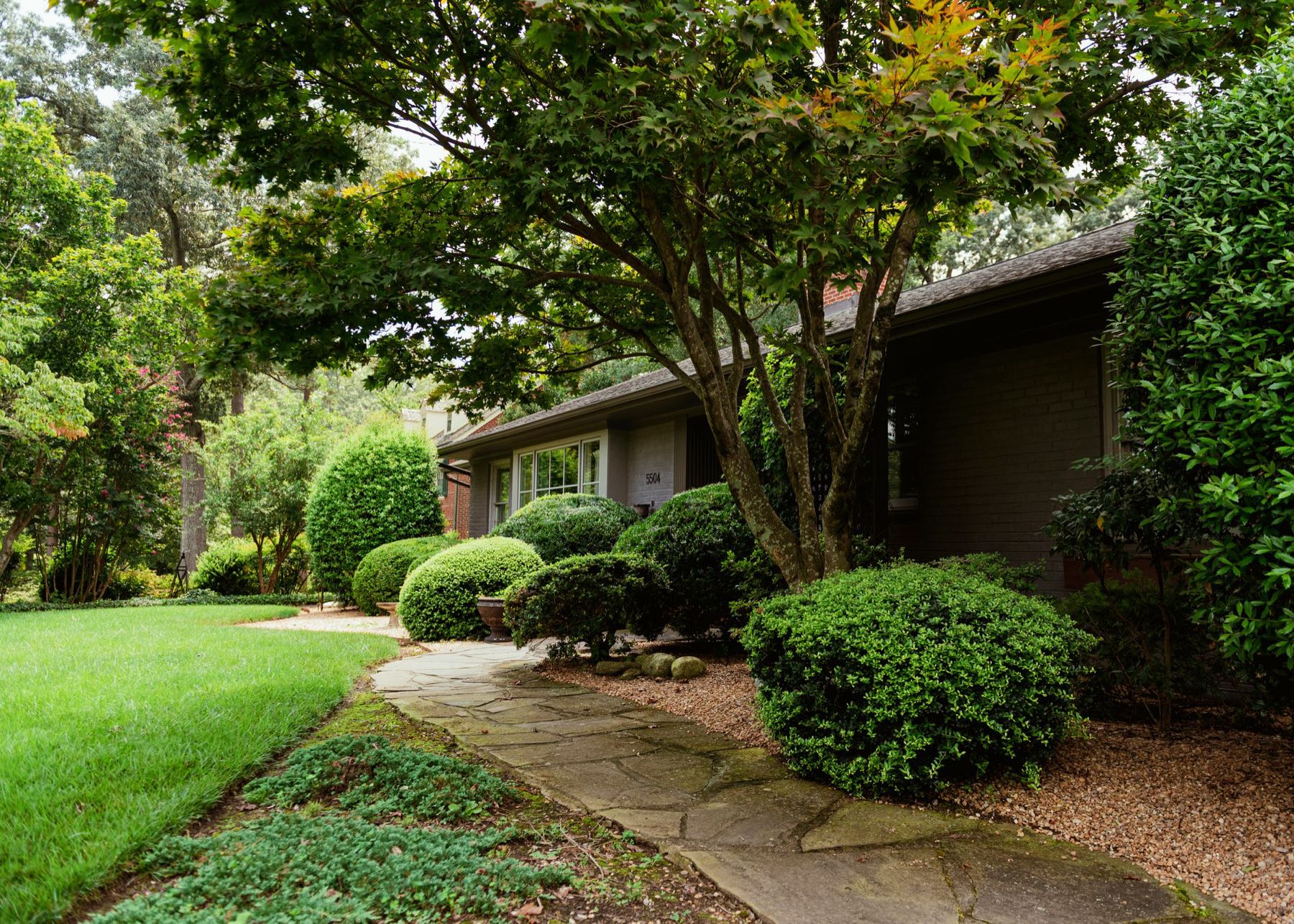
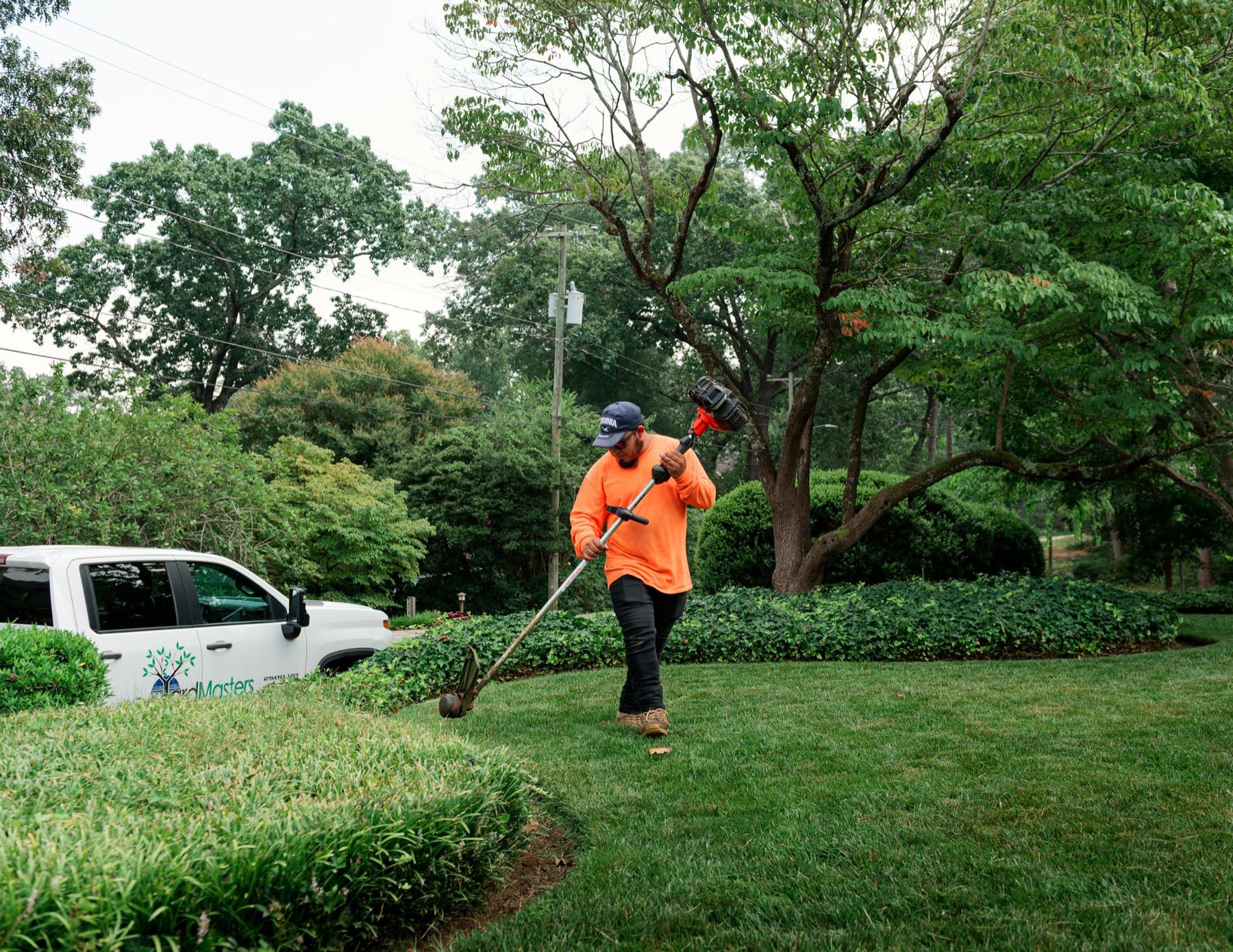
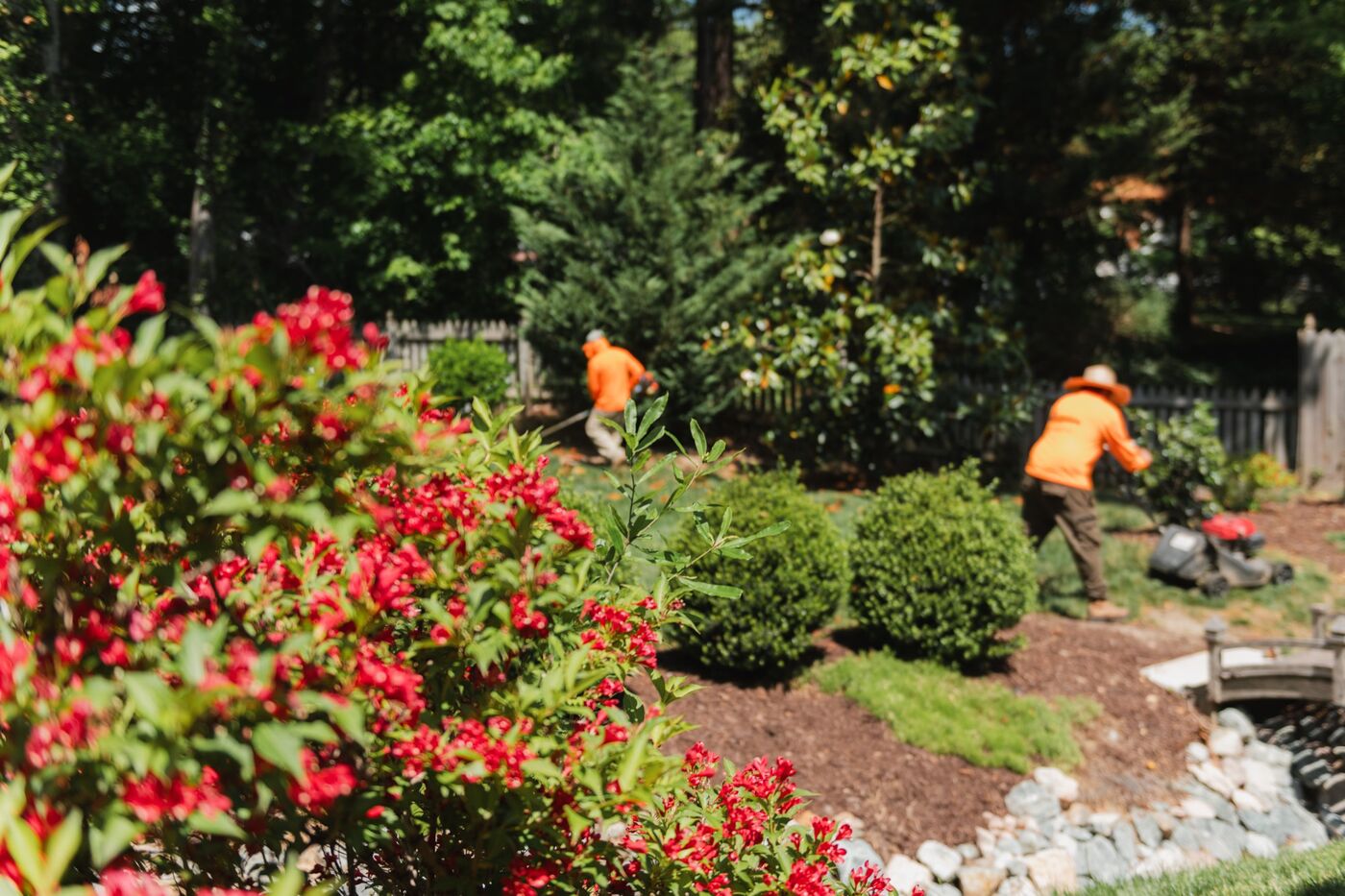
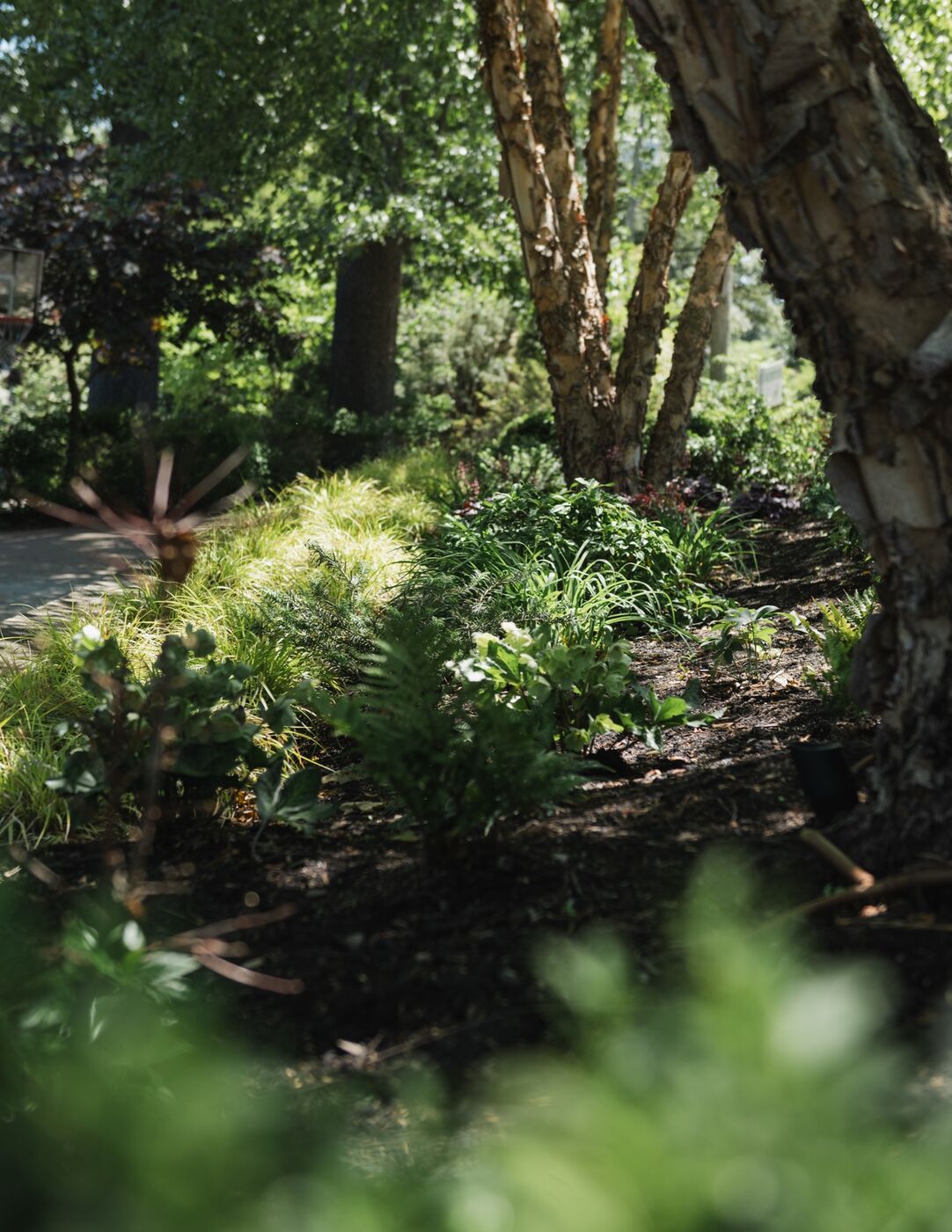
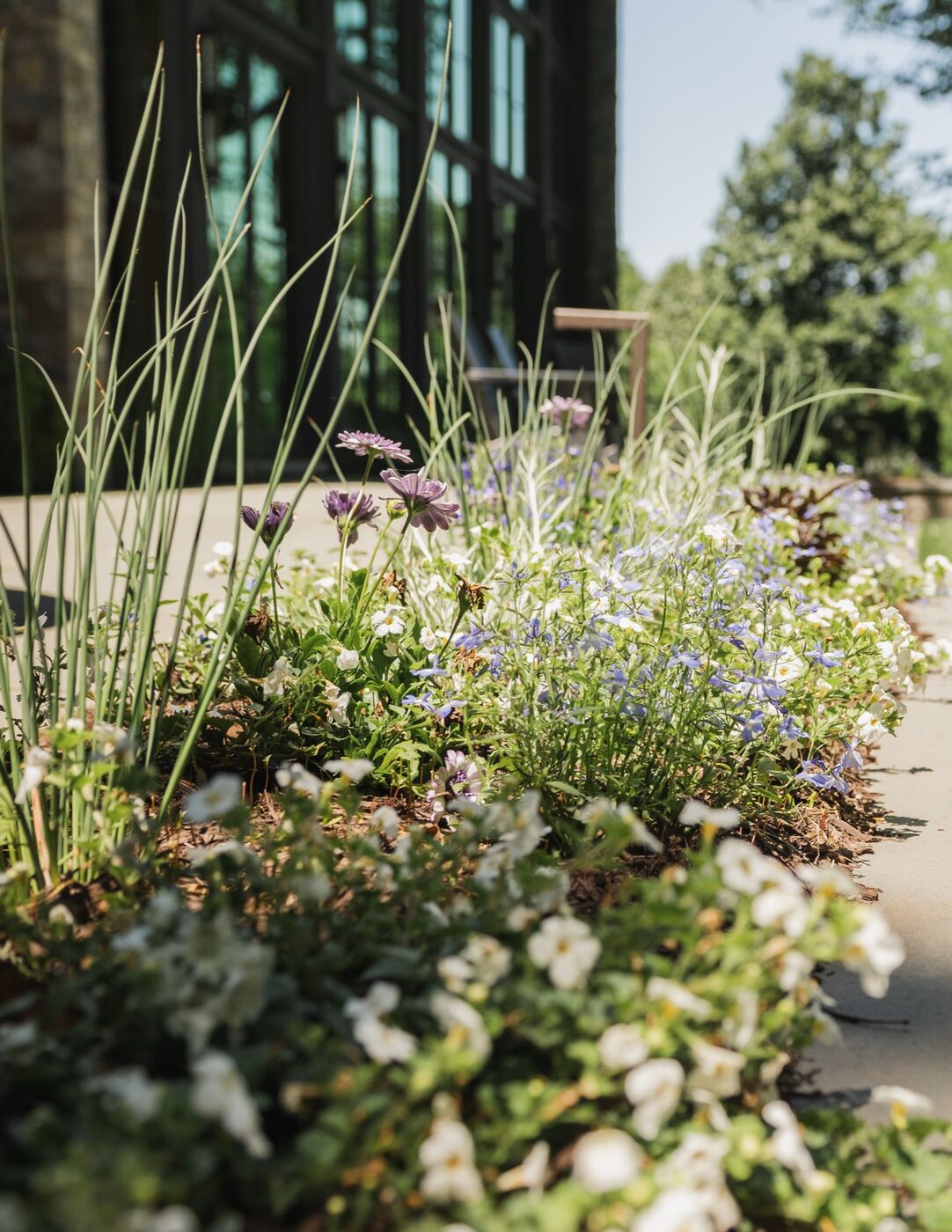
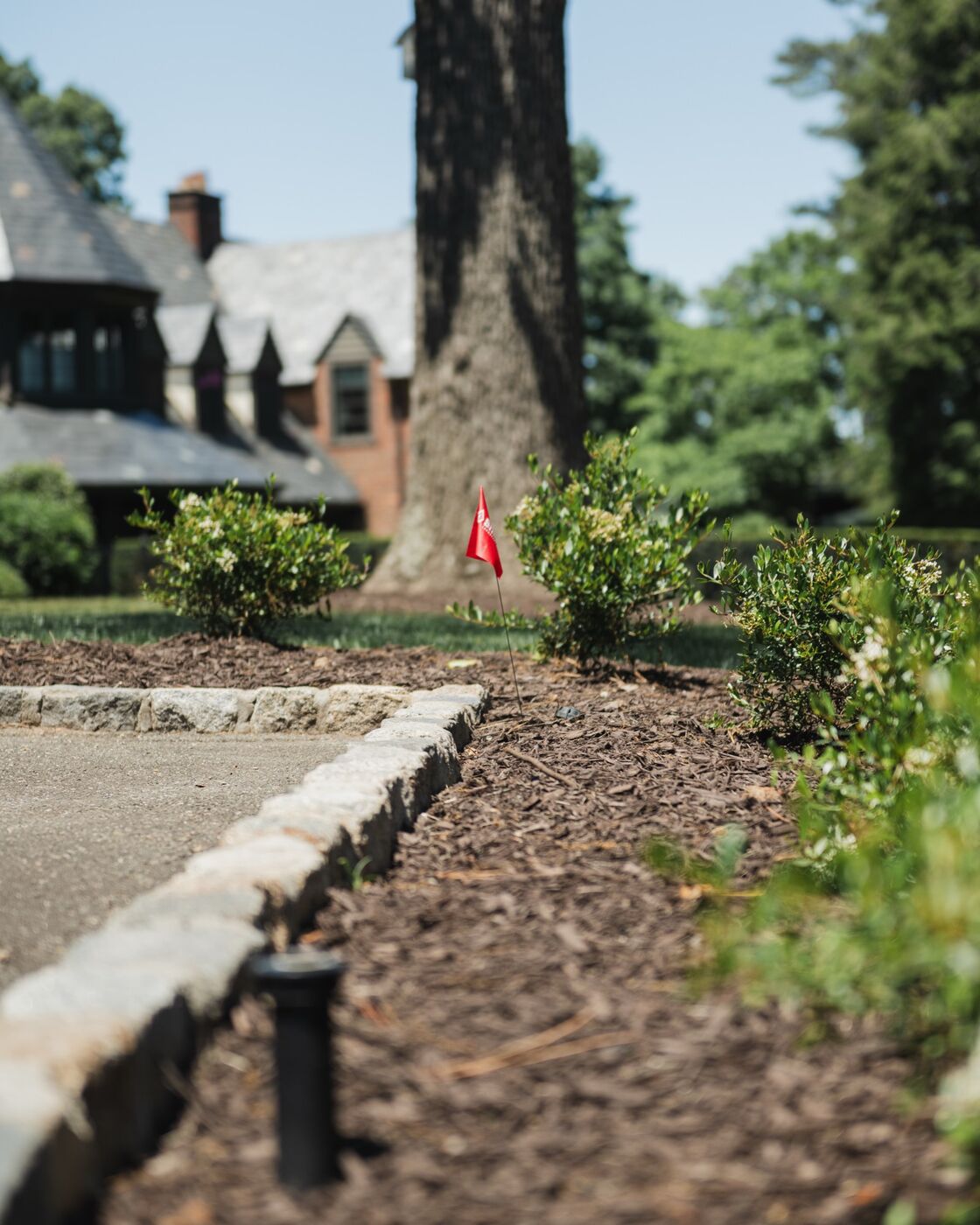
Half the frames here are beds, which is fair, because beds are what a property looks like from the street eleven months of the year. Edging cut clean, mulch refreshed in spring and topped mid-season, weeding by hand with a pre-emergent behind it. Autumn is the better planting season in Richmond whatever spring feels like: something planted in October gets autumn, winter and the whole following spring to root before it meets its first real July, where something planted in May gets a few weeks.
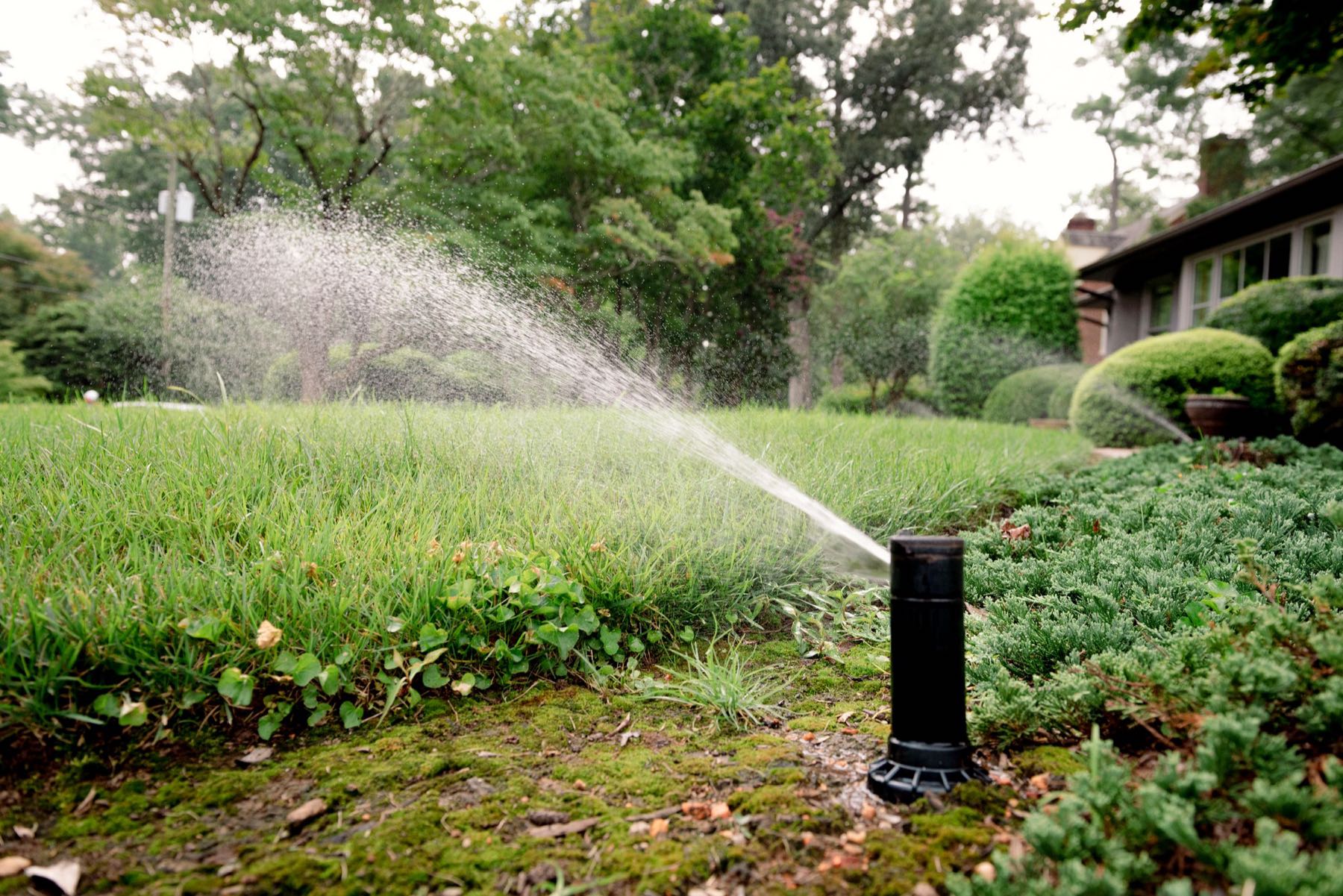
There are two frames here of irrigation running, which is about right, because a system you can see is usually a system with a problem. Most irrigation calls turn out smaller than they looked once somebody walks the property, so the order is audit first, quote second. Annual backflow testing is required by Chesterfield County and it is handled as part of the spring startup.
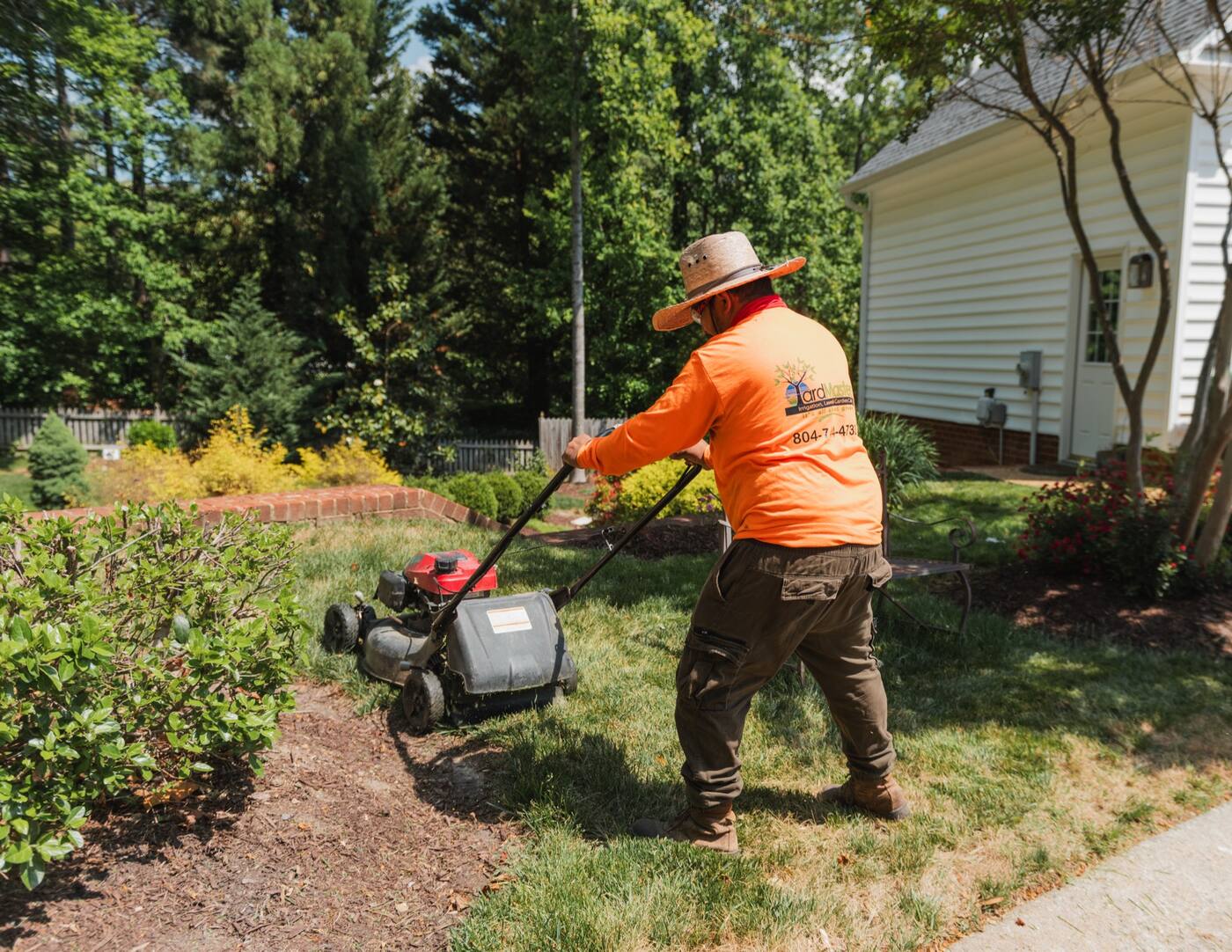
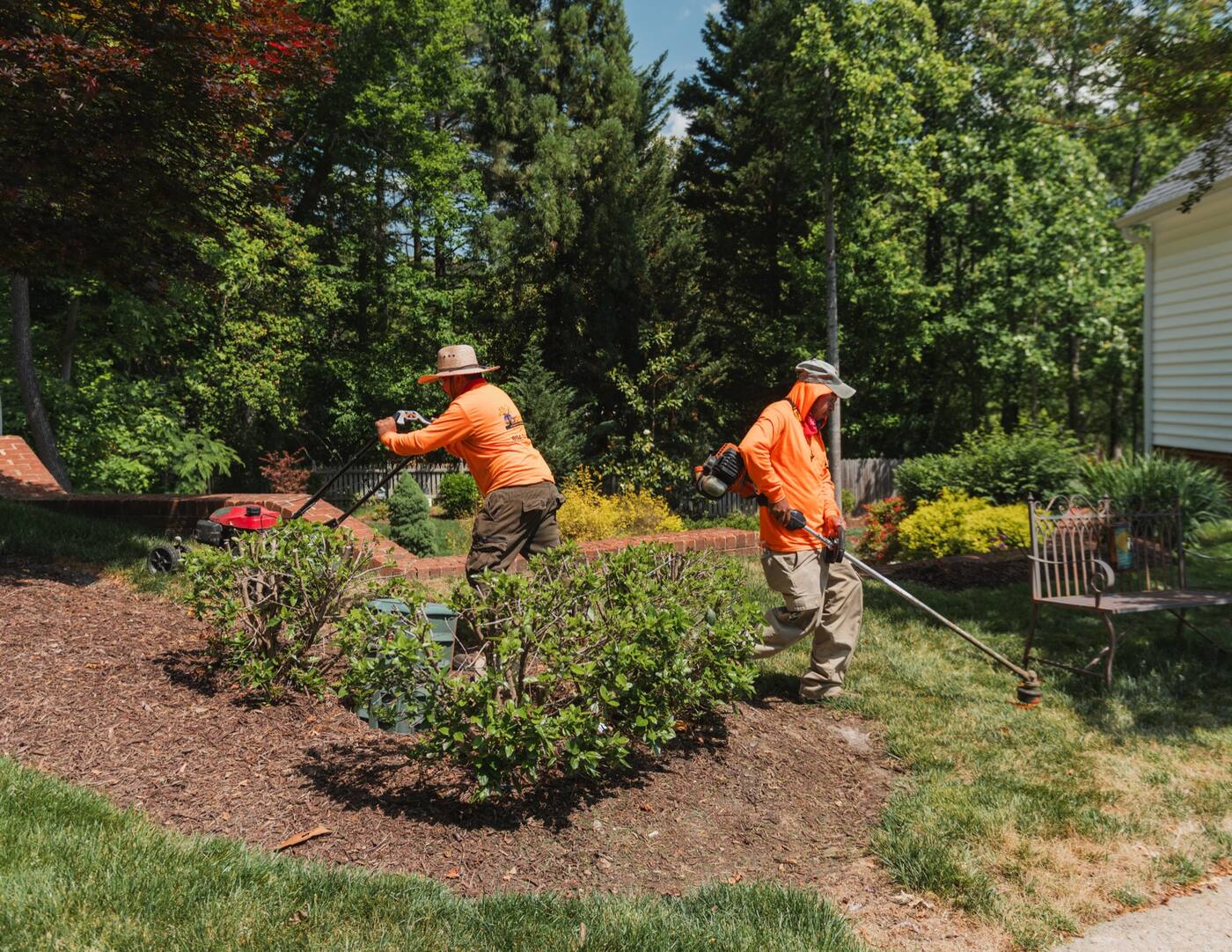
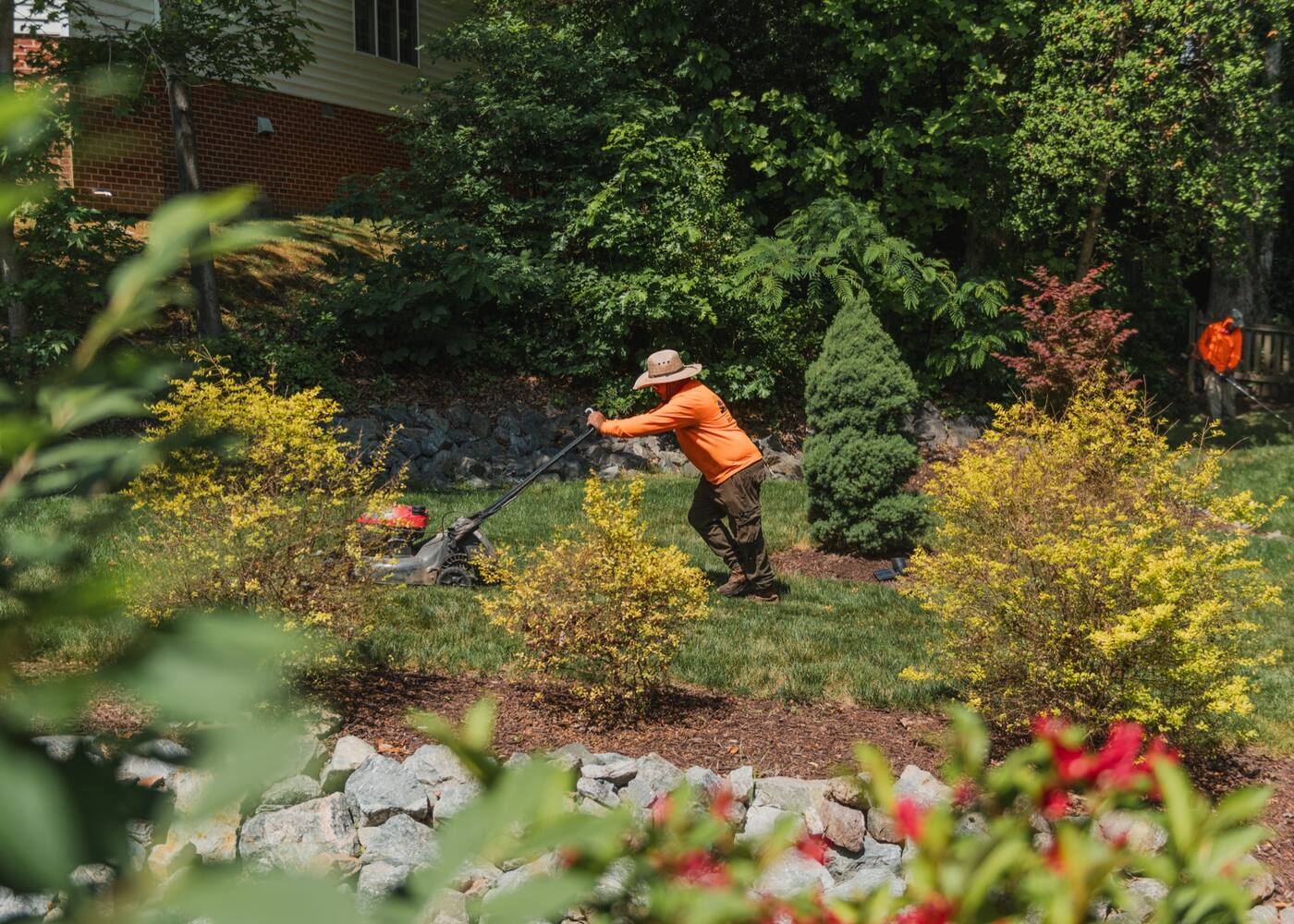
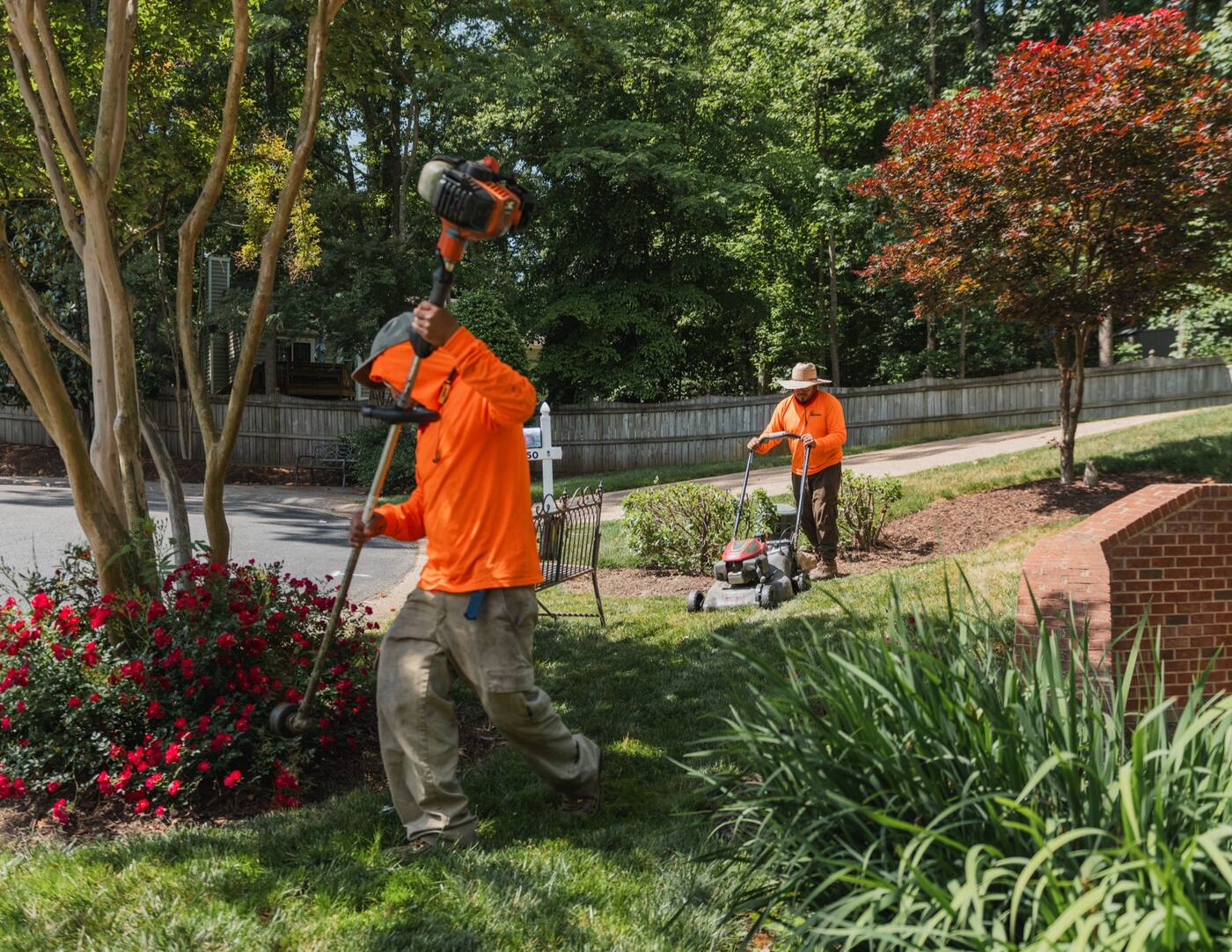
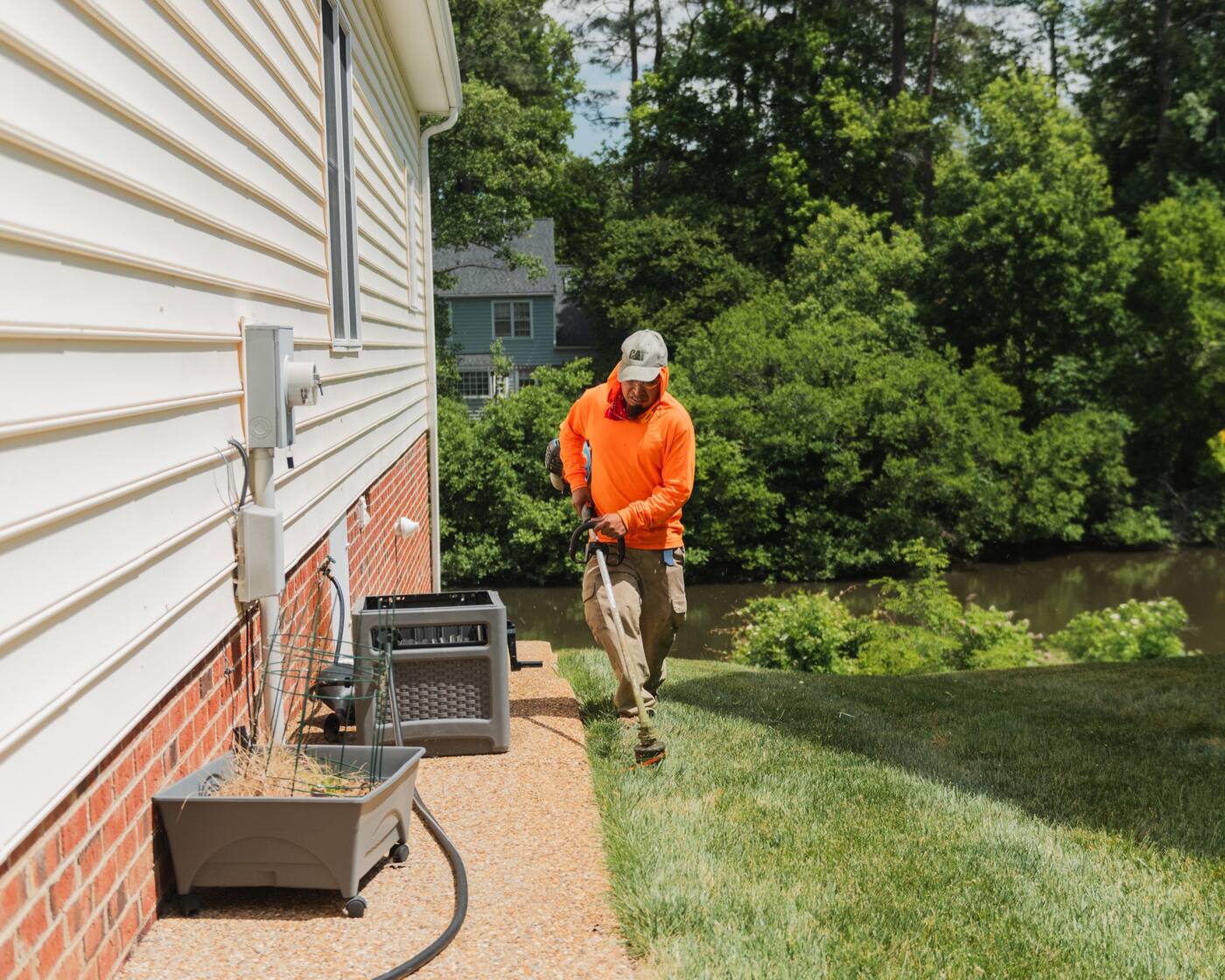
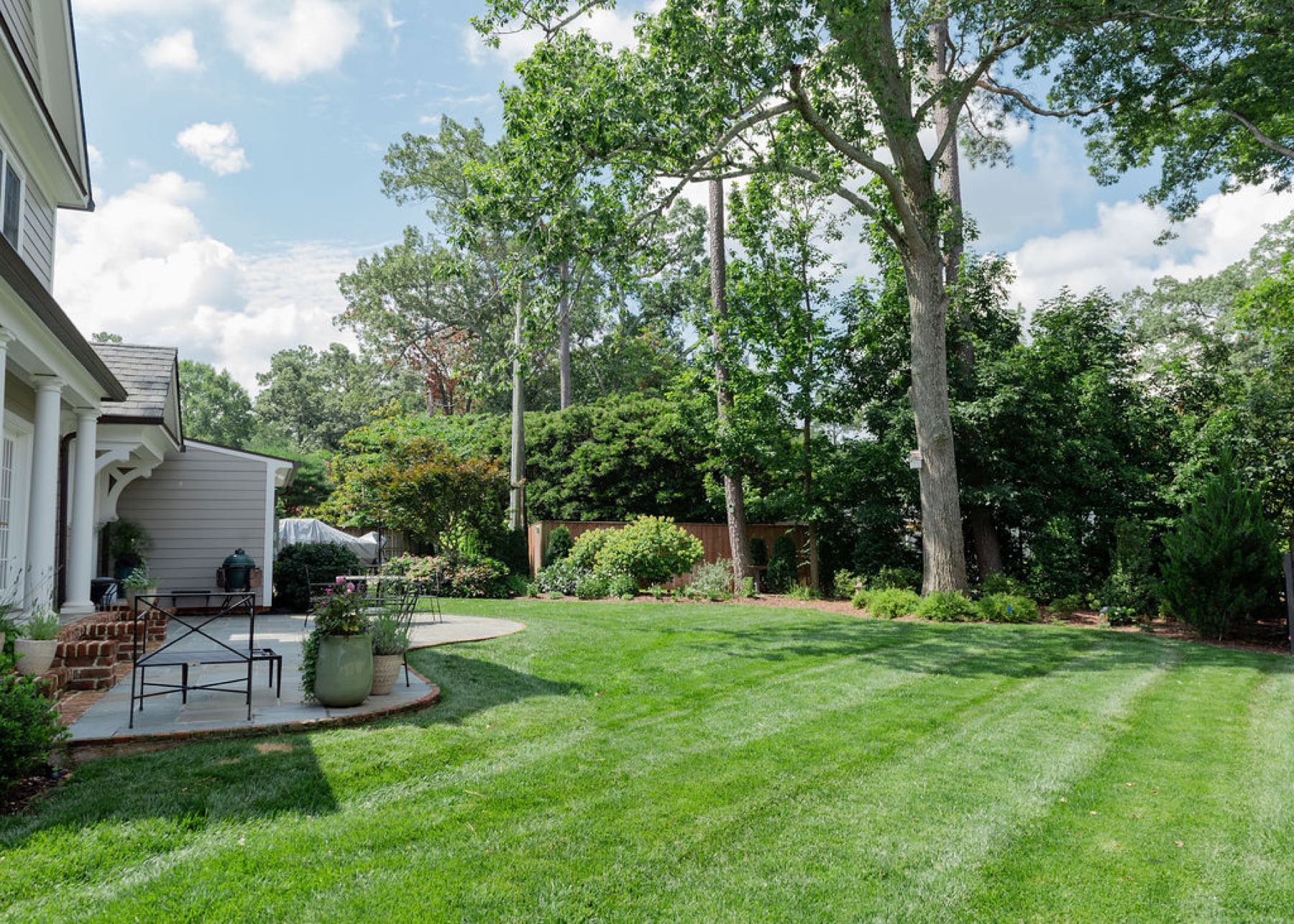
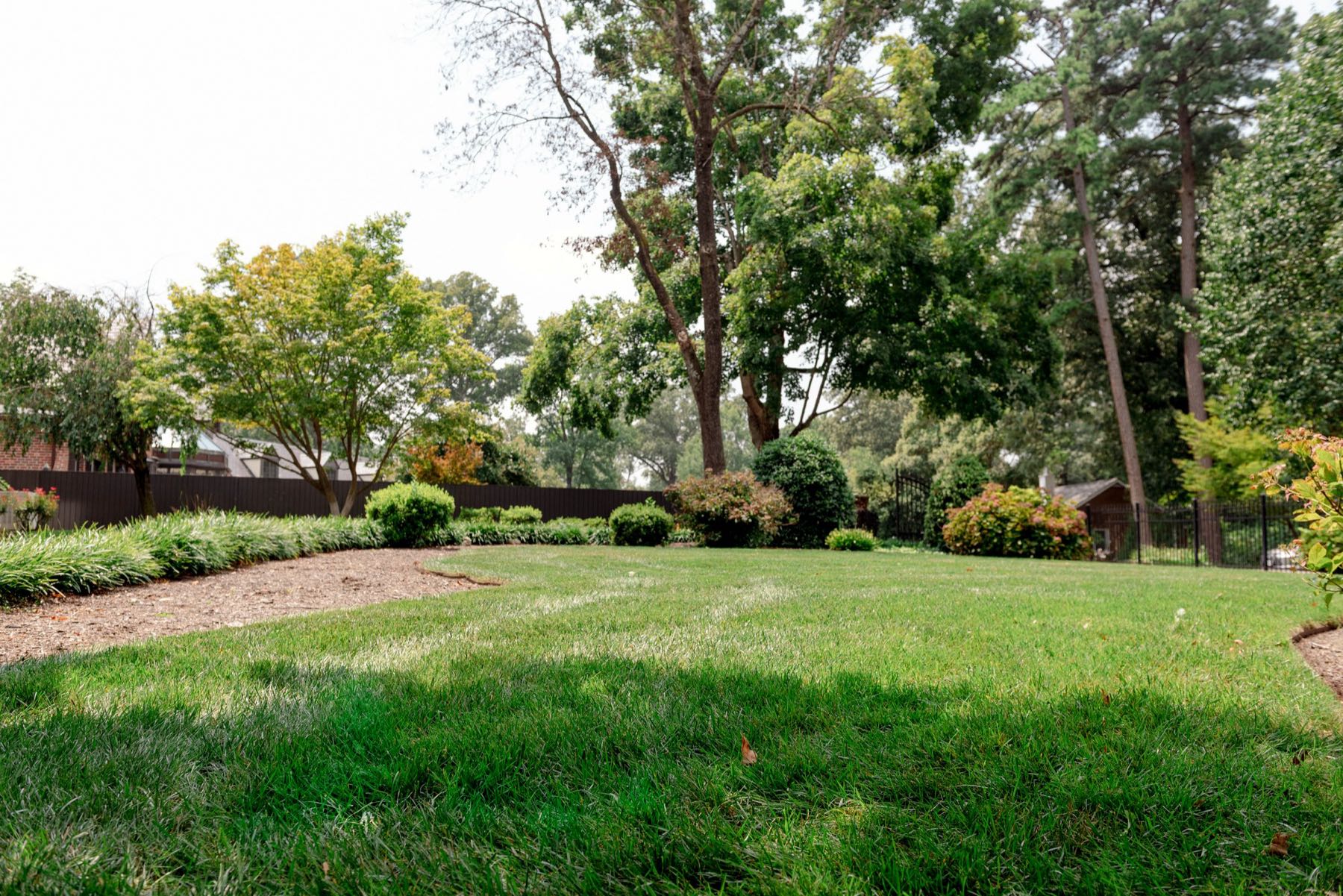
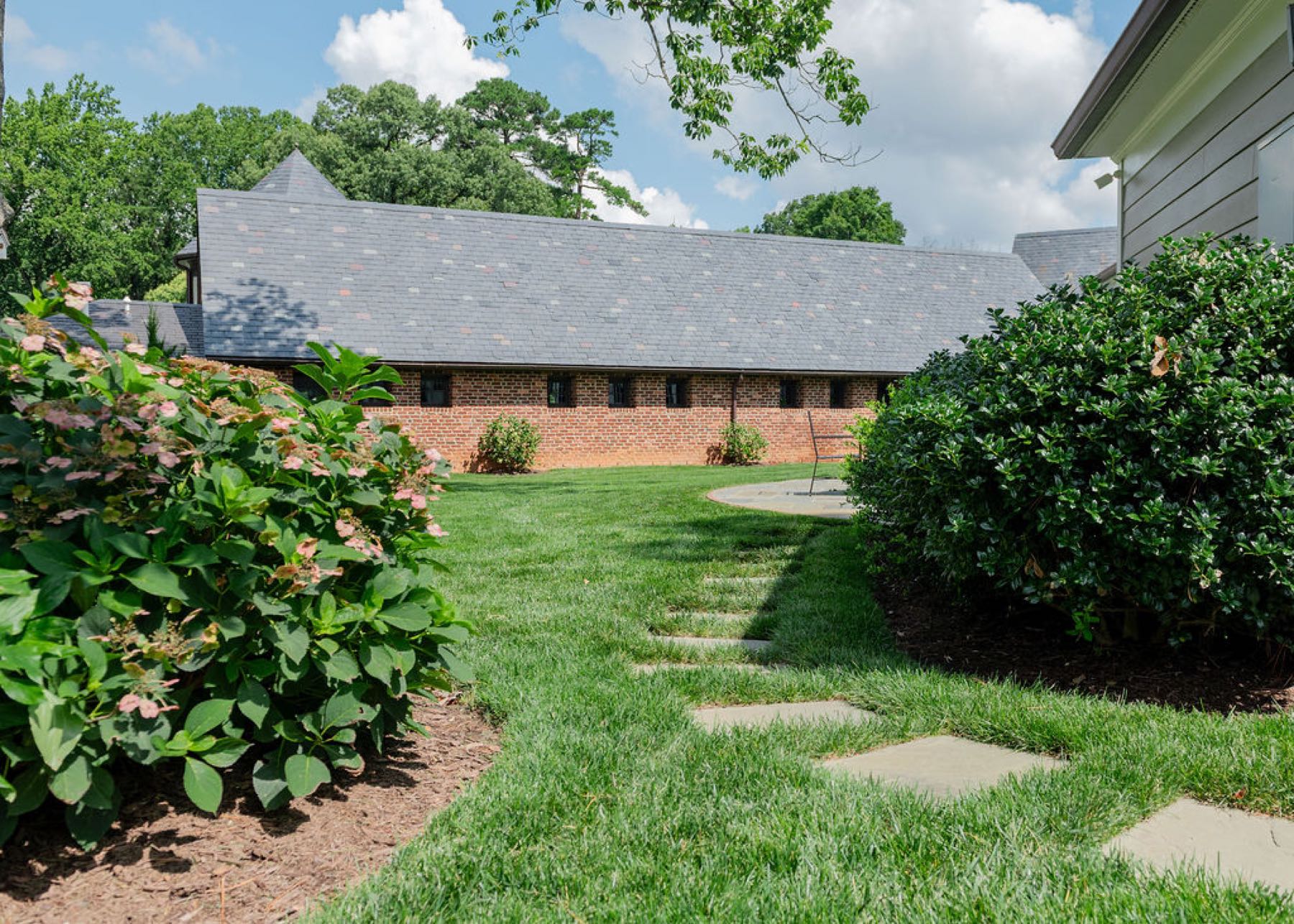
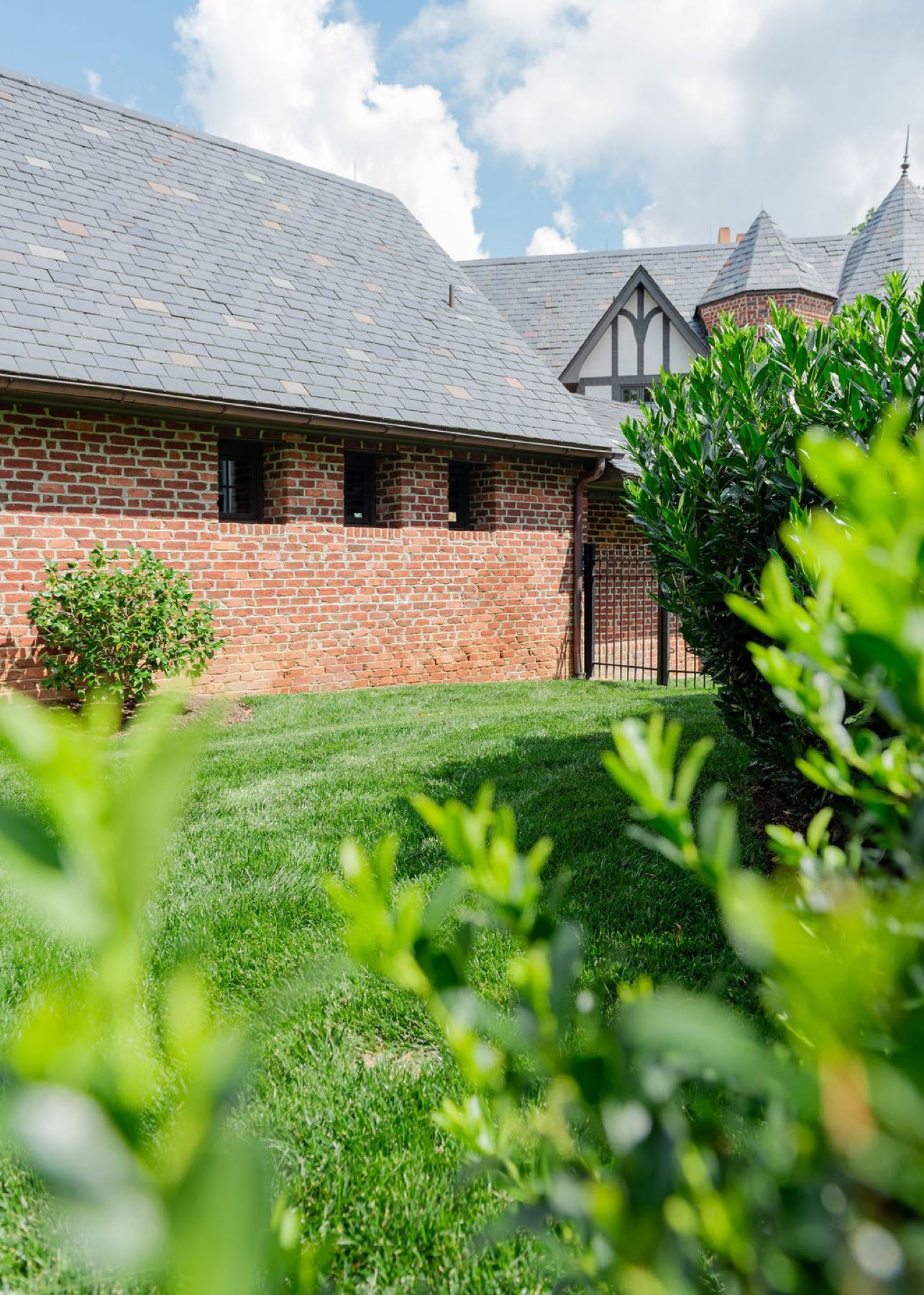
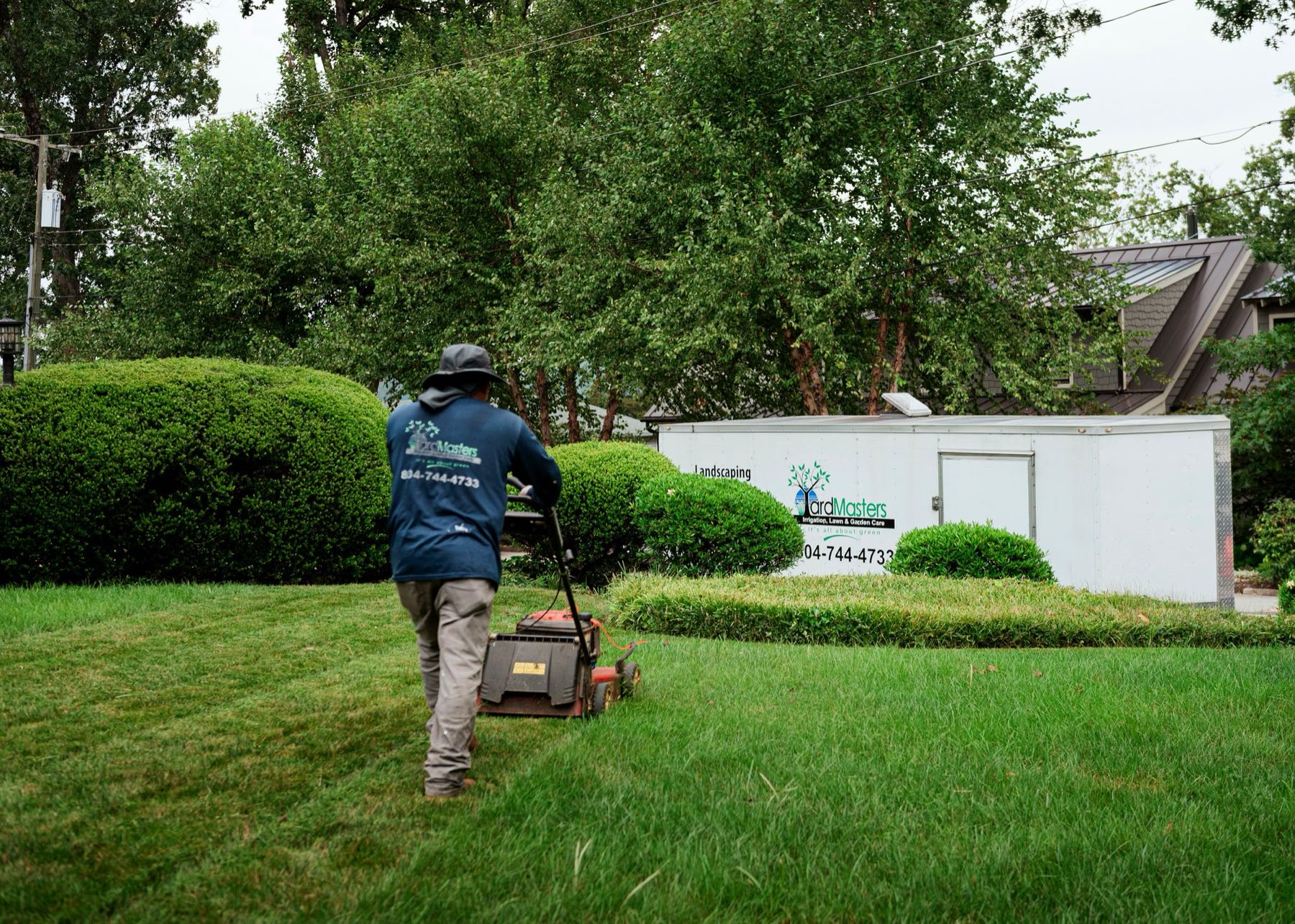
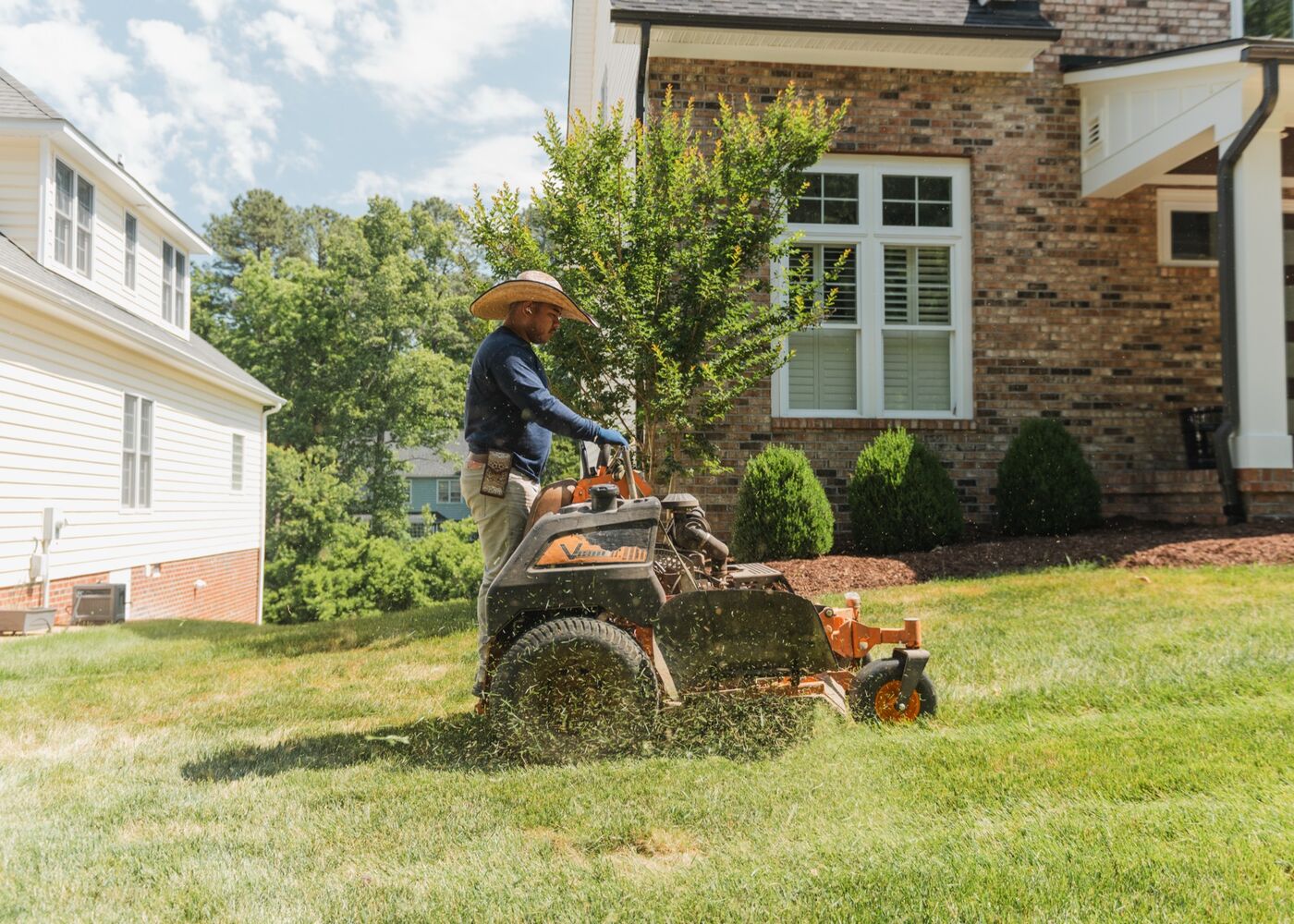
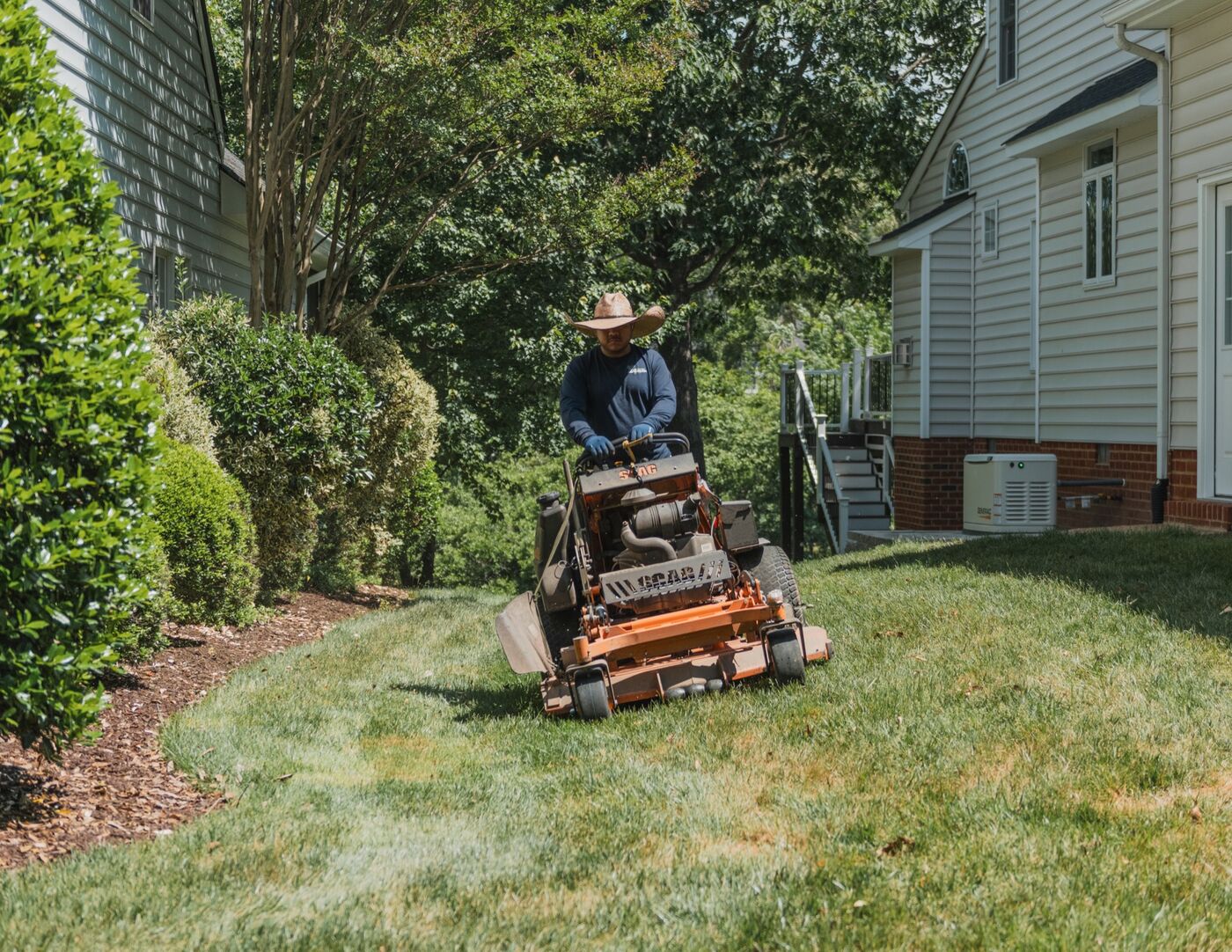
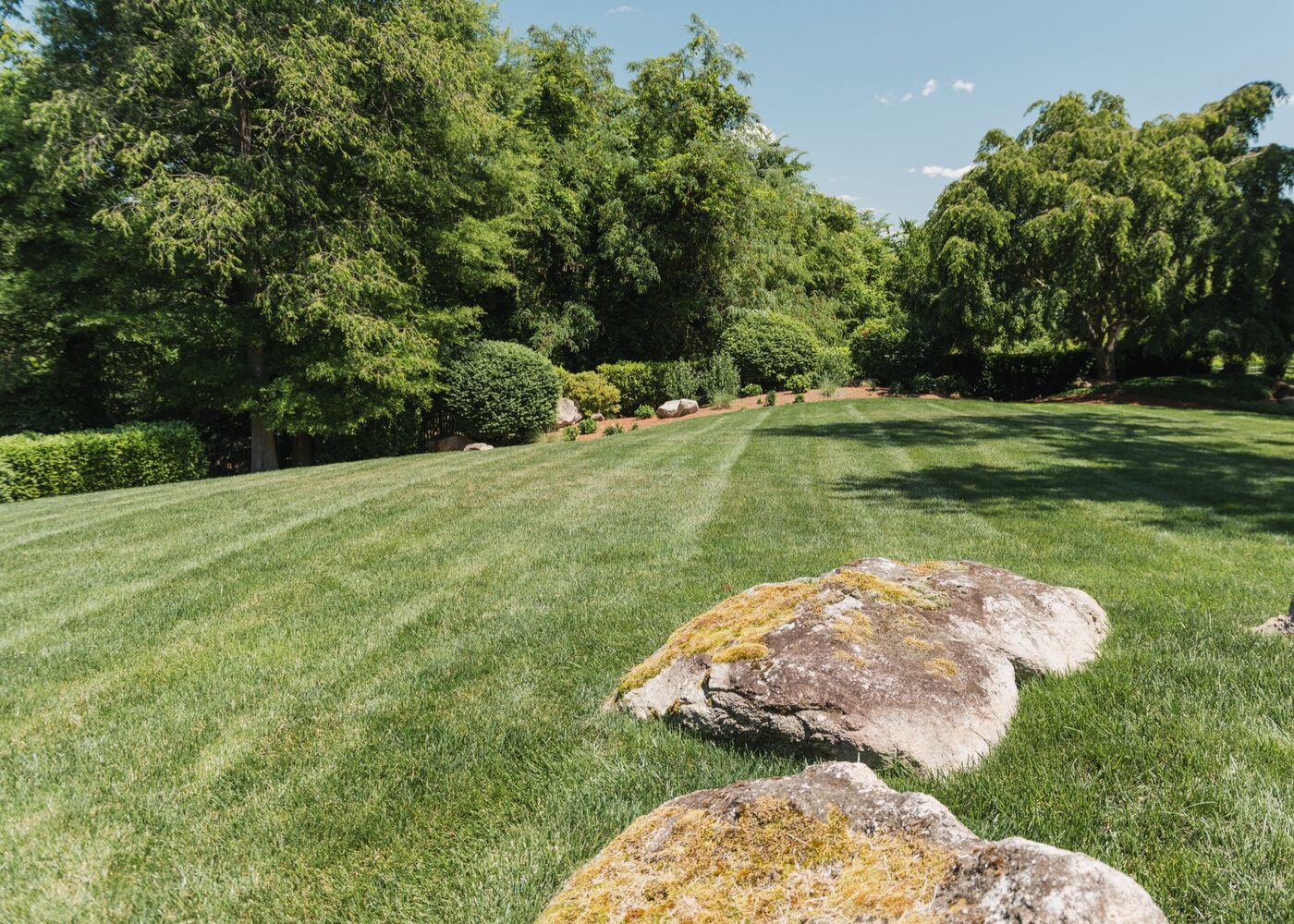
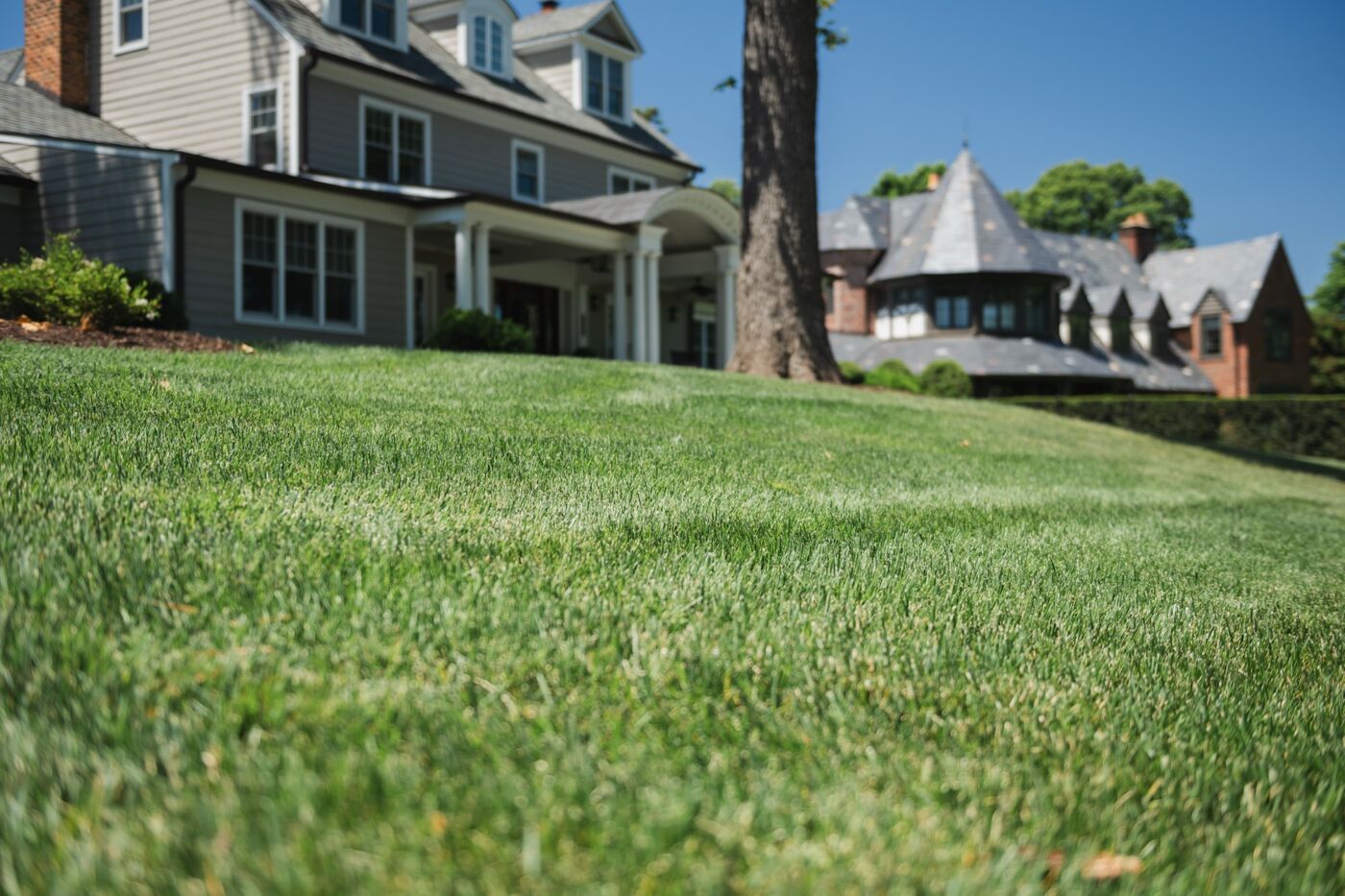
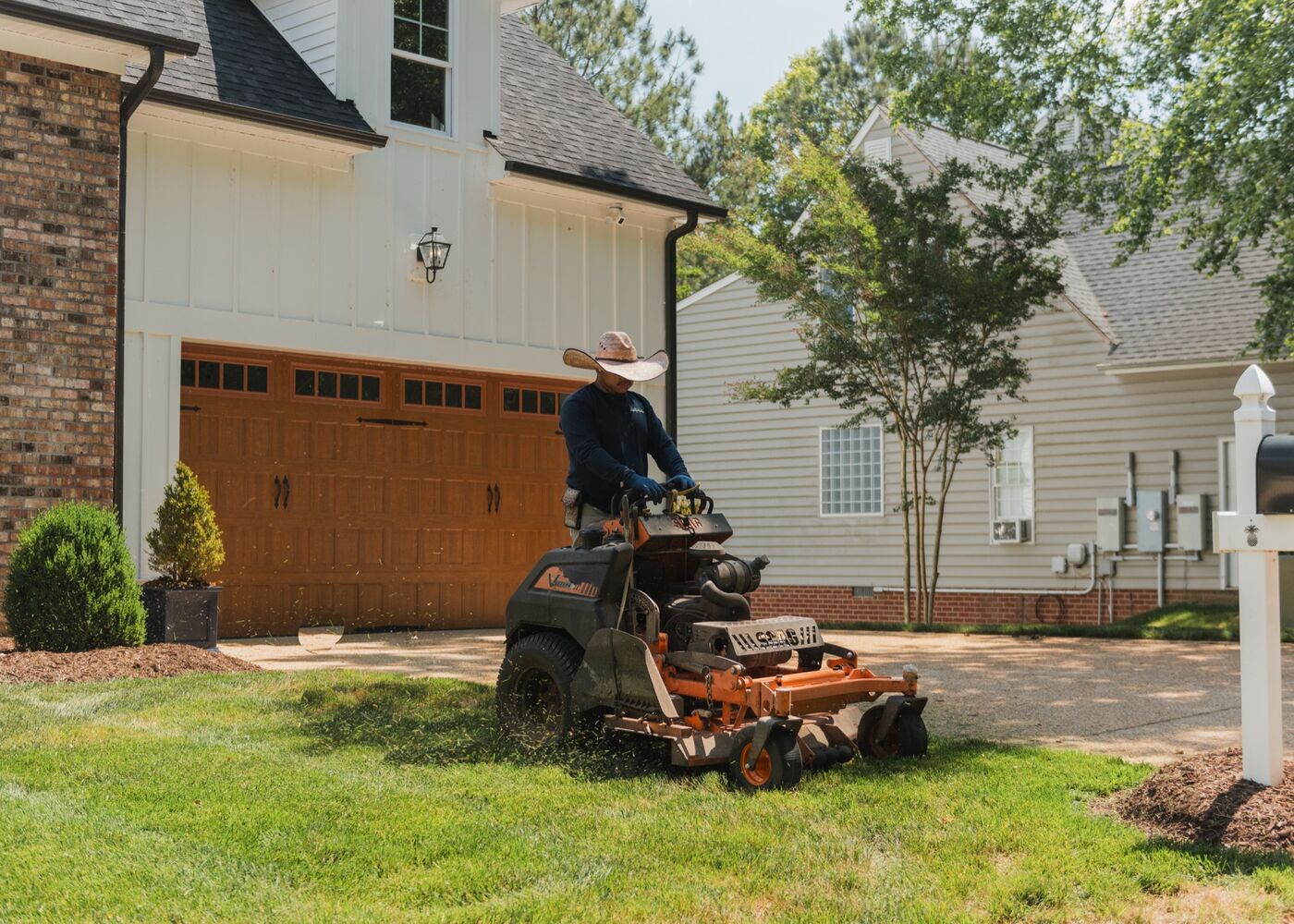
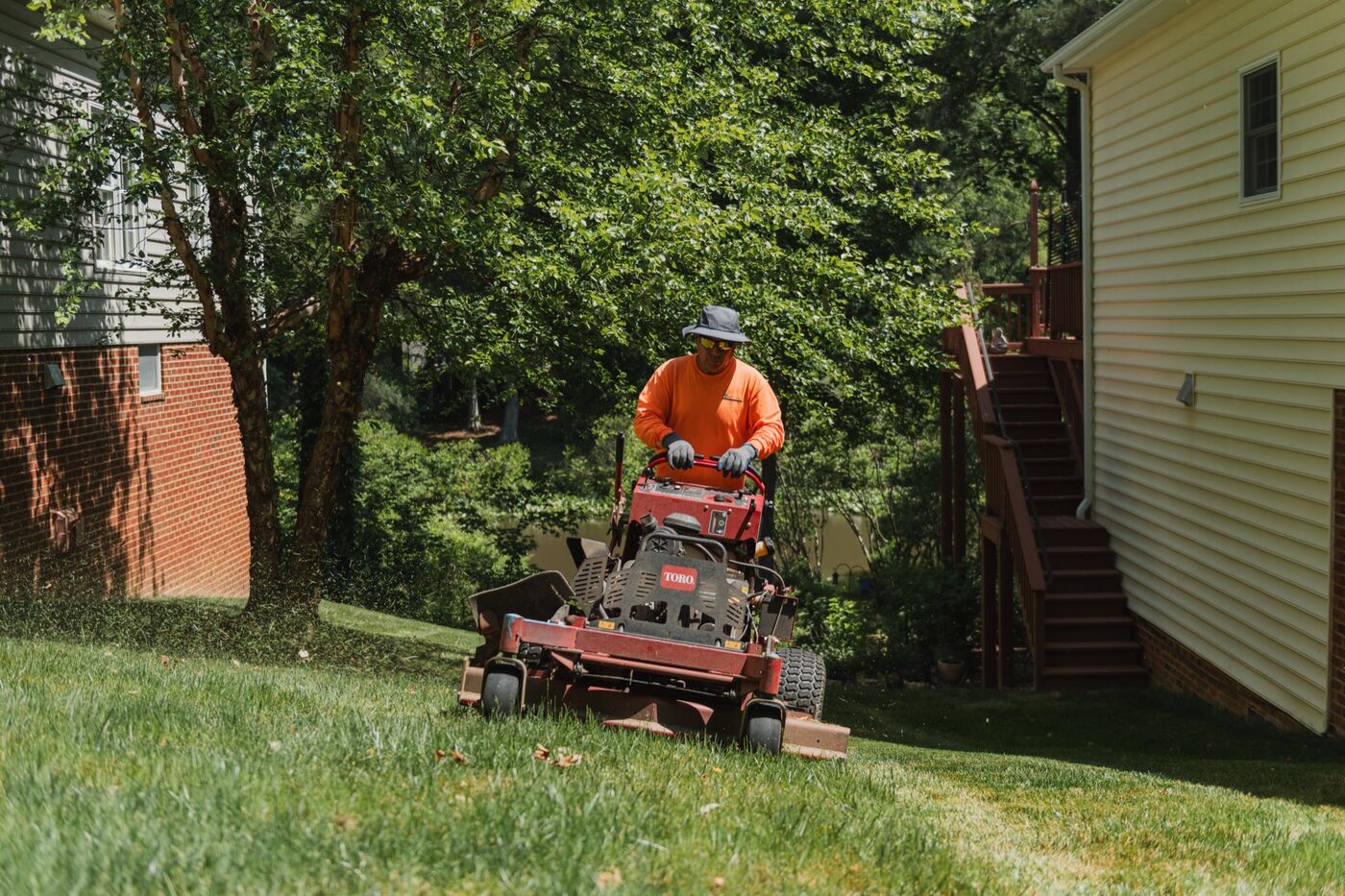
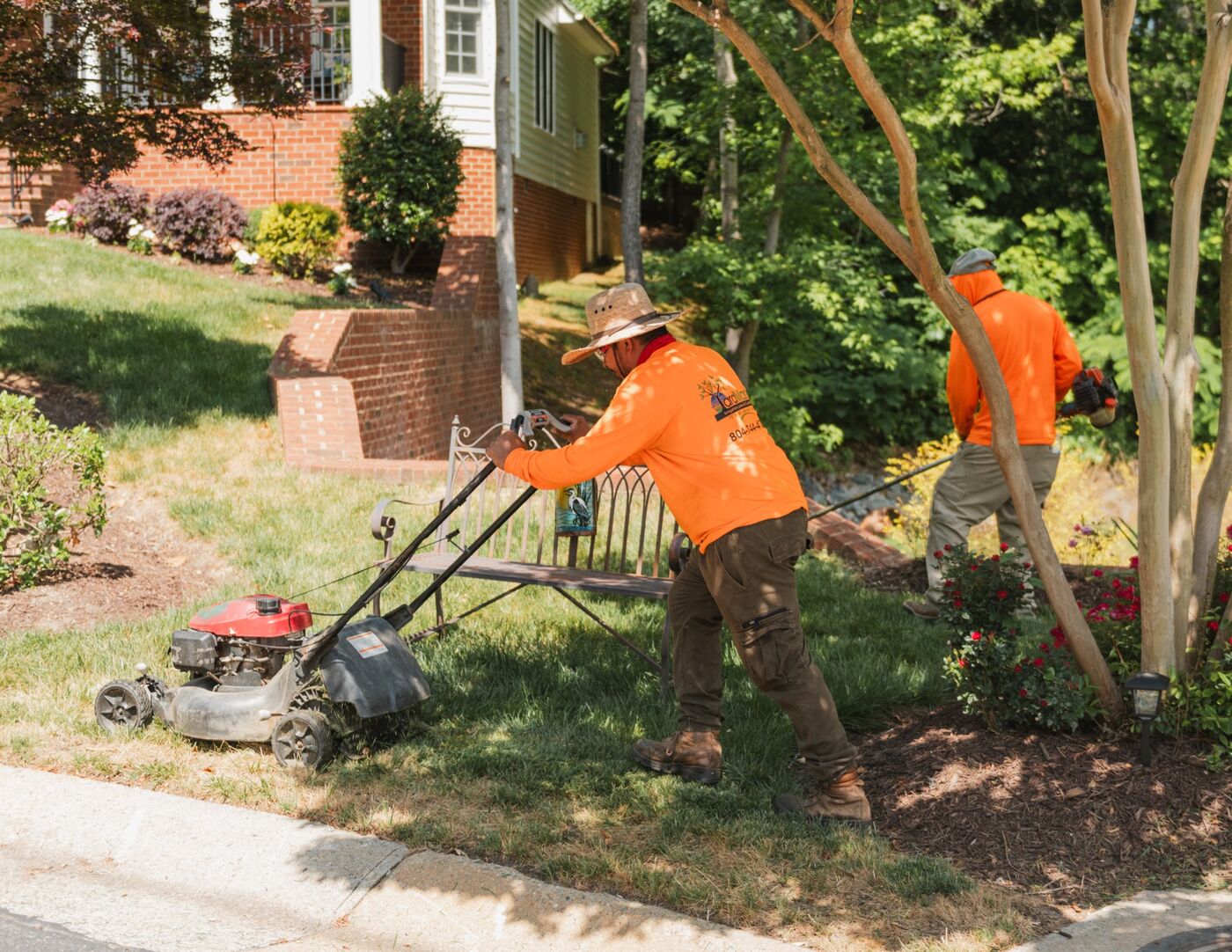
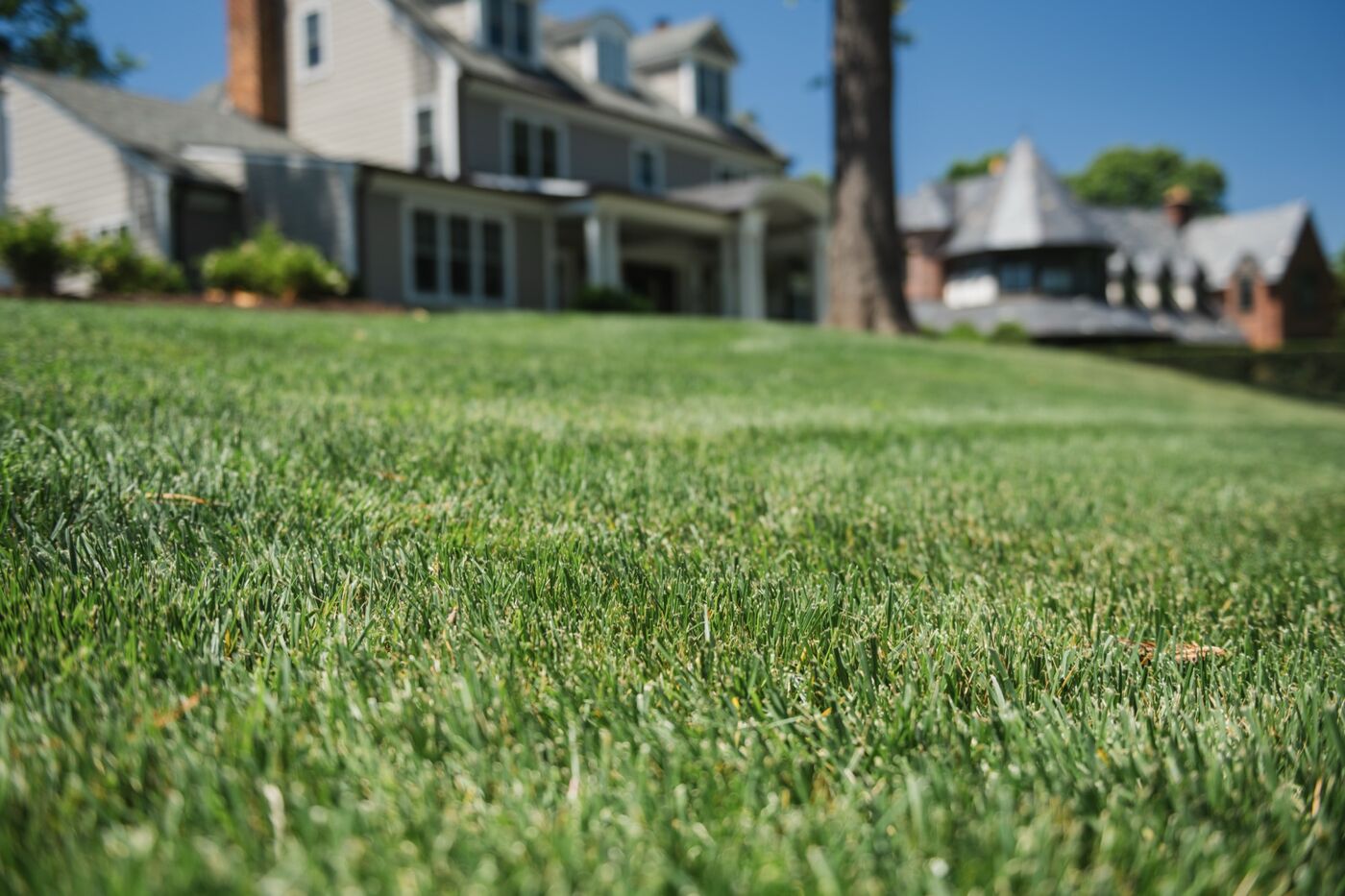
Contracts are annual, same crew, same day. Most lawns run at three and a half to four inches through the warm months and never lose more than a third of the blade in a pass, which is the single reason a lawn survives a Richmond July. The striped frames are that, not a trick. A crew that is on a property every week is the one that notices the thing nobody called about.
The grading and excavation is here. The drains are not, and there is a reason for it: the fix is rarely glamorous and almost never visible after we leave. A French drain is perforated pipe in a gravel trench wrapped in fabric, buried, and daylighted somewhere safe. Done properly it looks like a lawn afterwards. It is also usually the most important thing happening on the property. What drainage work actually involves.
Tell us what you're thinking. We'll come out, walk the property, and send a written estimate.