Drainage
work in progress.
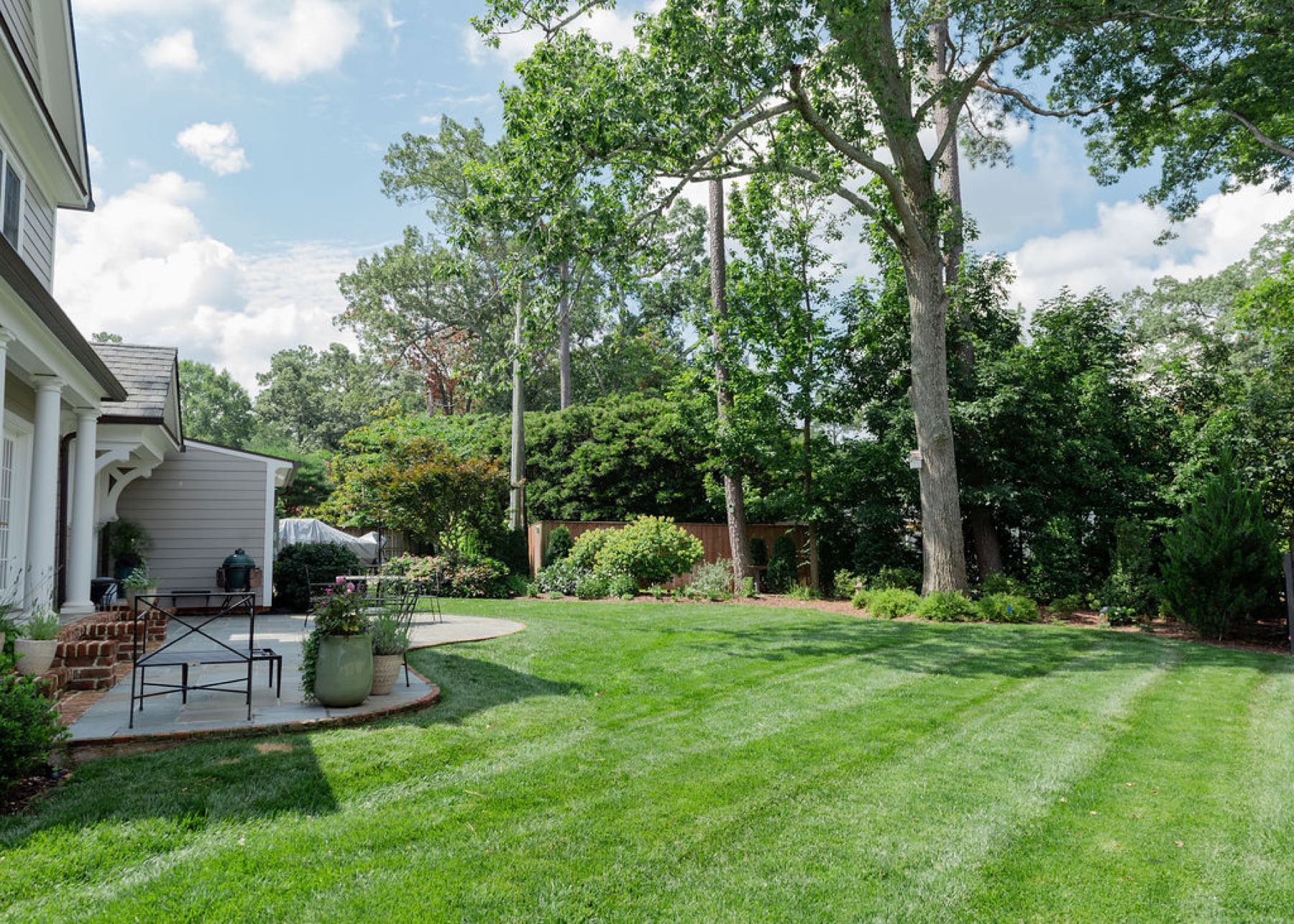
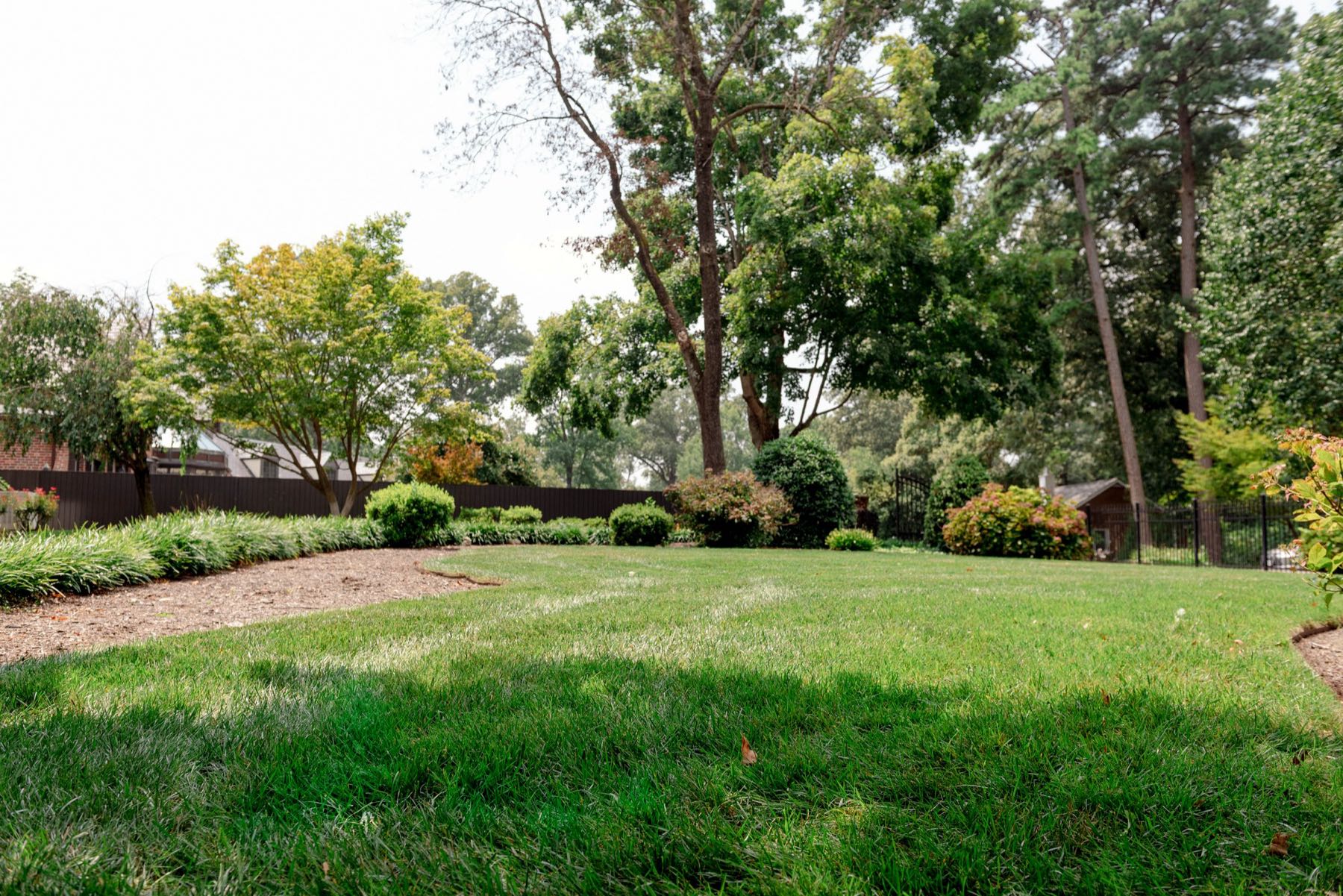
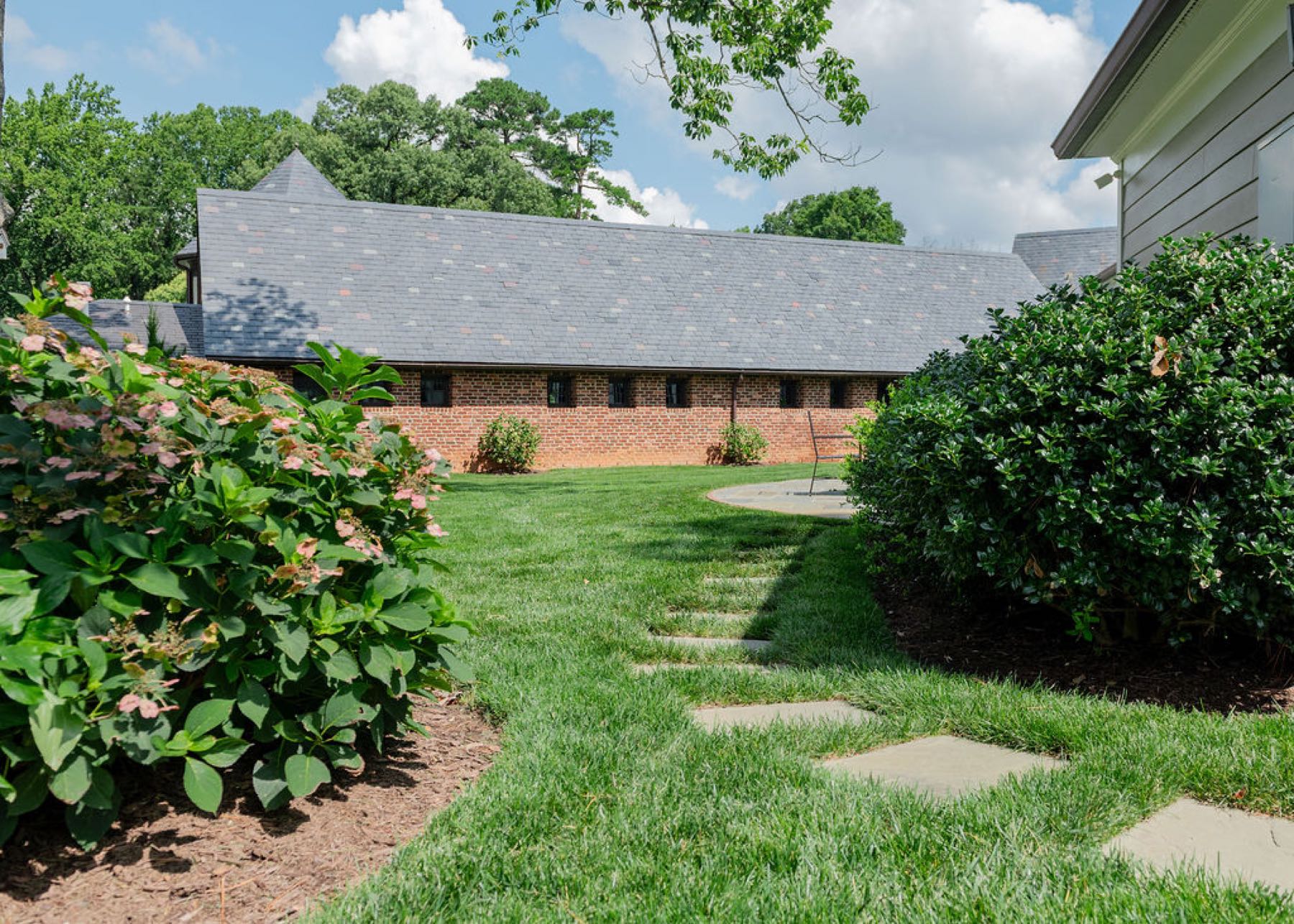
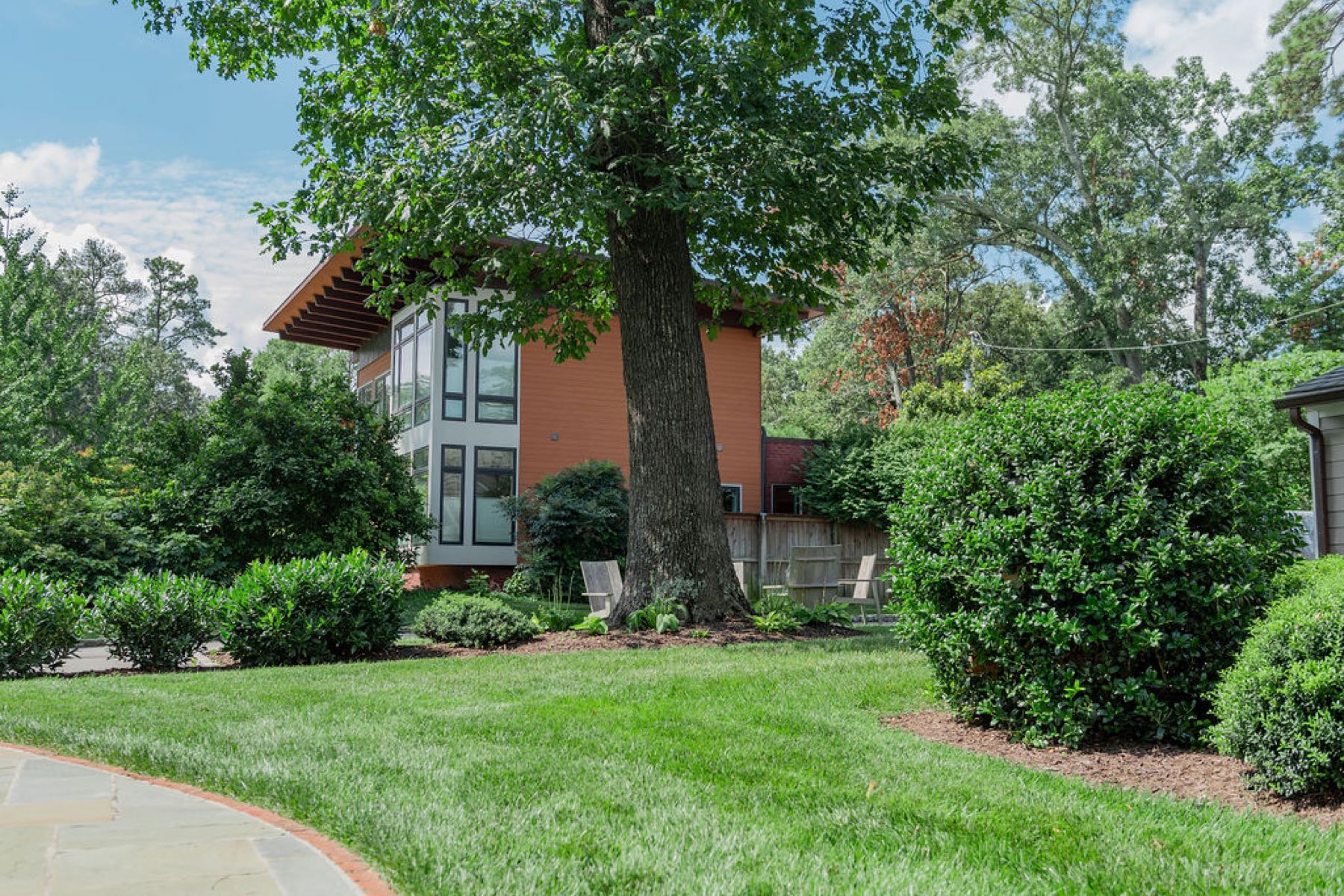
Standing water in the yard usually means the grade is wrong, the soil compacted, the downspouts are dumping at the foundation, or all three. The fix is rarely glamorous and almost never visible after we leave. It's also usually the most important thing happening on the property.
Bad drainage costs more than the drain. It costs you the basement, the foundation, the planting, and eventually the patio. We solve it before it gets there.
The first visit is a property walk during dry weather, ideally with photos or video of what happens during a storm. We look at roof flow, gutter condition, slope, soil type, and existing drains. The fix is usually a combination, not a single drain.
Most people know something is wrong long before they know it is drainage. These are the five signs we see most often on Richmond properties, and you can check all of them yourself in about ten minutes.
Two or more of these on the same property is worth a walk. One of them on its own often is too, because the visible symptom and the actual cause are frequently in different parts of the yard.
Saturated soil at the foundation moves with freeze-thaw cycles. Cracks, basement seepage, and structural settlement follow.
Water-logged roots kill plants we just installed. New beds in the wrong drainage pattern are a one-season investment.
Standing water creates dead patches, fungal disease, and mosquito habitat. The lawn never recovers without the underlying fix.
Patios and walls built without coordinated drainage shift, settle, and crack.
Visible water against a foundation can flag inspection issues at sale and complicate claims after a storm.
A drained property looks like nothing happened. That's the point. The work is invisible.
Standing water that doesn't drain in 24 hours, basement seepage after rain, dead patches in the lawn, soggy soil along the foundation, or moss growing where it shouldn't.
Briefly. Trenches are restored with topsoil and either sod or seed depending on the season. Within 2-6 weeks the work is invisible.
Yes, and we recommend it. Drainage built before or during a patio install is significantly cheaper than retrofitted drainage after.
Most residential drainage work doesn't require permits. We tell you upfront if your project does and pull it for you.
Two years on workmanship and materials. We come back if a drain isn't moving water the way it was designed to.
A property walk, a written diagnosis, a quoted fix. The first visit is free.